Yellow Leaves - Heat Stress on philodendron
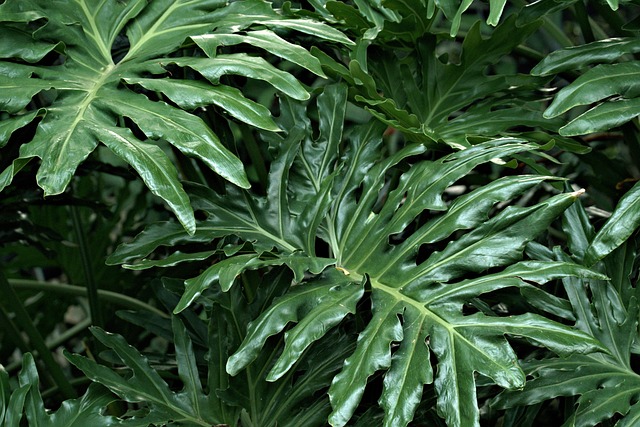
What's Happening
Heat stress in Philodendrons occurs when temperatures exceed 85°F (29°C) for extended periods, causing excessive transpiration and rapid water loss through stomata. Unlike succulents, Philodendrons lack CAM photosynthesis and cannot close stomata during heat peaks while maintaining gas exchange. The plant responds by sacrificing older leaves to conserve water for new apical growth—a survival mechanism. Acute heat waves trigger rapid yellowing (24-72 hours) starting from lower leaves. Key differentiator from overwatering: Soil is dry despite yellowing, and heat exposure correlates with weather events.
How to Fix It
- 1
Confirm heat stress: Check recent temperature history—sudden yellowing during/after temperatures >85°F indicates heat stress
- 2
Immediate relocation: Move to spot below 80°F with bright indirect light, away from heat sources like radiators or south-facing glass
- 3
Humidity boost: Increase to 70%+ via humidifier or misting 2x daily to compensate for increased transpiration
- 4
Water adjustment: Maintain even soil moisture—do not let dry out completely during recovery; water when top 1-2 inches dry
- 5
Damage control: Trim fully yellowed leaves; expect 2-4 week recovery before new growth resumes
How to Prevent It
Maintain temperatures between 65-80°F (18-27°C). During heat waves, relocate plants to cooler spots below 85°F, increase humidity to 60-70% to reduce transpiration, and avoid direct afternoon sun. Use shade cloth or move indoors during extreme heat periods.
Related Problems
Go Deeper
This is covered in-depth in the philodendron Mastery Pack — structured modules with video walkthroughs, advanced protocols, and rescue timelines.
Get the Mastery Pack — $37 →