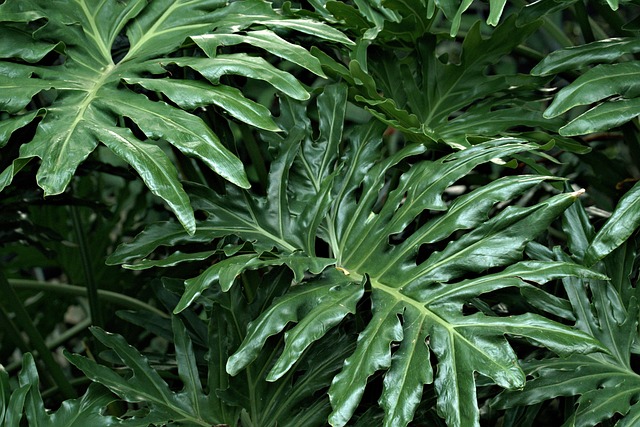
pink princess philodendron
Philodendron erubescens 'Pink Princess'
Comprehensive care and diagnosis guide for the Pink Princess Philodendron. Based on 5 verified community insights.
Care Requirements
At a Glance
Detailed care profile is currently being compiled by the Plant Grail swarm.
Go Deeper
Philodendron Rare Guide Pack
The complete protocol: advanced care, seasonal calendars, and rescue modules. Everything on this page, plus video walkthroughs.
Start Here
Most Common Problems
Based on 5 analyzed cases — these are the issues you're most likely to encounter
Why does my Pink Princess Philodendron have tissue culture acclimation failure?
Pink Princess Philodendron (Philodendron erubescens 'Pink Princess') sold...
Why does my Pink Princess Philodendron have light acclimation variegation stress?
Pink Princess Philodendron exhibits unstable chimeral variegation where pink...
Why does my Pink Princess Philodendron have variegation reversion?
Pink Princess Philodendron exhibits genetic instability in its chimeral...
How do I propagate my Pink Princess Philodendron?
Pink Princess Philodendron stem cuttings experience dual stress during...
Why does my Pink Princess Philodendron have environmental transition shock?
Pink Princess Philodendron is acclimated to tropical understory conditions...
Verified Data
All Diagnoses
Complete analysis of 5 cases for this variety. Select an entry to expand rescue protocols.
Common Questions
Frequently Asked Questions
Why does my pink princess philodendron have Tissue culture acclimation failure?
Cause: Pink Princess Philodendron (Philodendron erubescens 'Pink Princess') sold commercially are primarily tissue-cultured (micropropagated) in sterile laboratory conditions with 90%+ humidity, controlled temperature 22-25°C, and nutrient gel medium. When abruptly exposed to home environments (typically 30-50% humidity), the plant experiences fatal environmental shock due to undeveloped cuticle layers, weak root systems lacking beneficial microbes, and zero acclimation to atmospheric CO2 levels. Brown necrotic patches appearing within 24-72 hours of purchase indicate tissue culture shock rather than disease or genetic instability.
Solution: Create mini greenhouse immediately using clear plastic propagation dome or modified storage container with 4-6 ventilation holes
Prevention: Request plants that have been weaned/hardened for minimum 4-6 weeks post-tissue culture; verify seller provides acclimated specimens; quarantine new acquisitions in humidity dome for 30 days minimum; monitor with calibrated hygrometer inside dome maintaining 75-85% initial humidity; avoid fertilizing until 6+ weeks post-purchase to prevent root burn in immature root systems.
87% confidence · View full protocol →
Why does my pink princess philodendron have Light acclimation variegation stress?
Cause: Pink Princess Philodendron exhibits unstable chimeral variegation where pink sectors contain reduced chlorophyll (20-40% of green tissue levels). During environmental transitions—particularly when moving from low light nursery conditions to brighter home environments or vice versa—the plant undergoes photoacclimation stress. Sudden increases in light intensity (beyond 3000 lux) cause photooxidative damage to pink tissue which lacks sufficient chlorophyll for photoprotection, resulting in bleaching, browning, or complete sector loss. Conversely, insufficient light (<800 lux) triggers reversion as the plant prioritizes chlorophyll production for survival, causing pink sectors to revert to green.
Solution: Assess current light levels using phone light meter app or dedicated lux meter before positioning plant
Prevention: Implement graduated light acclimation over 14-21 days when transitioning plants between environments; maintain consistent 1500-2500 lux for established specimens; use sheer curtains or UV-filtering film on south/west windows; position variegated specimens 4-6 feet from high-intensity grow lights; avoid multiple environmental stressors simultaneously (light + humidity + temperature changes).
85% confidence · View full protocol →
Why does my pink princess philodendron have Variegation reversion?
Cause: Pink Princess Philodendron exhibits genetic instability in its chimeral variegation pattern, where the pink coloration results from partial chlorophyll deficiency in leaf cells. During periods of environmental stress—particularly transitions between different humidity, temperature, or light conditions—the plant prioritizes survival over maintaining the energy-expensive variegated phenotype. This triggers cellular reversion where pink sectors revert to green (sporting), especially in new growth, as the plant maximizes photosynthetic efficiency to cope with suboptimal conditions.
Solution: Stabilize environment: Maintain temperature 68-78°F and humidity 55-70% for minimum 4-6 weeks post-transition
Prevention: Maintain stable environmental conditions for 30+ days after any transition; keep humidity consistently above 55% to reduce cellular stress; provide adequate but not excessive light (1500-2500 lux) to support both green and pink tissue; avoid dramatic temperature swings (>10°F daily fluctuation); allow plants to fully acclimate to new environments before expecting stable variegation expression.
86% confidence · View full protocol →
Why does my pink princess philodendron have Propagation acclimation stress?
Cause: Pink Princess Philodendron stem cuttings experience dual stress during propagation: the physical wound response activates ethylene and jasmonic acid pathways, while simultaneous environmental acclimation to new substrates (water, moss, or soil) triggers additional metabolic demands. The variegated tissue is particularly vulnerable due to reduced chlorophyll content and lower carbohydrate reserves. Cuttings taken from highly variegated sections (50%+ pink) have significantly lower success rates than those from moderately variegated stems (20-30% pink) because they lack sufficient energy-producing tissue to support both root initiation and environmental adaptation.
Solution: Select optimal cutting material: Choose stems with 20-40% pink variegation—avoid mostly pink or mostly green sections
Prevention: Select cutting material from stems with moderate variegation (20-40% pink); avoid propagating during periods of environmental stress or transitions; root cuttings in consistent, stable environment matching mother plant conditions; maintain 70-80% humidity during rooting phase; use rooting hormone containing both auxin and cytokinin to support tissue differentiation.
84% confidence · View full protocol →
Why does my pink princess philodendron have Environmental transition shock?
Cause: Pink Princess Philodendron is acclimated to tropical understory conditions requiring consistent warmth (optimal 70-80°F), high humidity (60-80%), and bright indirect light (2000-4000 lux in native habitat). When moved to typical indoor environments with forced air heating, air conditioning, or seasonal temperature fluctuations, the plant experiences environmental shock manifested as leaf yellowing, slowed growth, or leaf drop. The variegated tissue is particularly sensitive to temperature swings below 65°F or above 85°F, which disrupt cellular metabolism and trigger stress responses including anthocyanin degradation (pink color loss) and chlorophyll breakdown.
Solution: Assess environment: Use thermometer and hygrometer to identify problem areas (near vents, windows, doors)
Prevention: Maintain temperature stability between 68-78°F year-round; position away from HVAC vents, radiators, and drafty windows; use humidity trays or humidifiers to maintain 55-65% minimum humidity; group plants to create microclimate; avoid placing in unheated rooms during winter months; acclimate gradually over 10-14 days when moving between rooms with different conditions.
88% confidence · View full protocol →