Drooping Diagnostic Signal on pothos
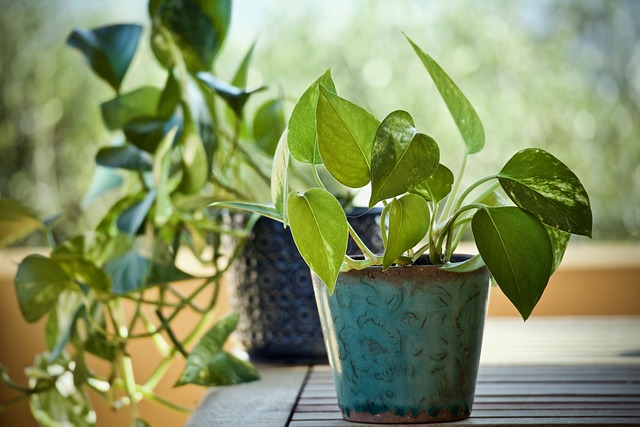
What's Happening
Pothos leaves droop dramatically when the plant experiences water stress, creating a highly visible diagnostic signal. This is a reversible turgor pressure loss in leaf cells, not permanent damage. The drooping mechanism involves petiole dehydration triggering a hinge-like fold at the base, reducing leaf surface area to minimize water loss. Unlike root rot (which causes persistent wilting despite wet soil), pothos drooping responds rapidly to rehydration within 2-4 hours.
How to Fix It
- 1
Confirm diagnosis: Check soil moisture—bone dry soil with drooping leaves indicates underwatering; wet soil with drooping indicates root rot
- 2
Immediate treatment: Bottom-water by placing pot in 2 inches of water for 15-20 minutes until soil surface moistens
- 3
Expect recovery: Leaves should restore turgor and stand upright within 2-4 hours after watering
- 4
Prevent recurrence: Water when top 2-3 inches of soil dry out—typically every 7-10 days in summer, 14-21 days in winter
- 5
Check pot weight: Learn the 'light = thirsty' signal by lifting pot before each watering cycle
- 6
Monitor new growth: If drooping persists after watering, inspect roots for rot or check if plant is rootbound
How to Prevent It
Maintain consistent watering schedule based on soil dryness rather than calendar days. Check soil moisture with finger test every 3-4 days. Use well-draining soil to prevent waterlogging confusion. Maintain 40-60% humidity to reduce water needs.
Related Problems
Go Deeper
This is covered in-depth in the pothos Mastery Pack — structured modules with video walkthroughs, advanced protocols, and rescue timelines.
Get the Mastery Pack — $37 →