Edema Spots on pothos
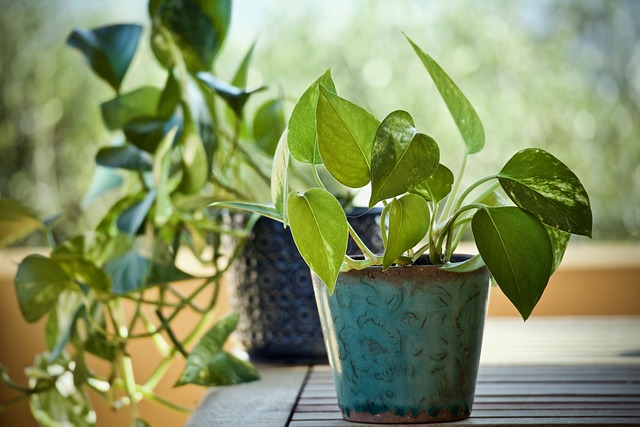
What's Happening
Edema (oedema) is a physiological disorder caused by roots taking up water faster than leaves can transpire it, leading to cell rupture and water-soaked blisters. These appear as corky brown spots or bumps on leaves, often on the undersides. Unlike fungal spots, edema spots feel slightly raised and corky rather than sunken. This occurs when soil is wet combined with low light, high humidity, or cool temperatures reducing transpiration.
How to Fix It
- 1
Reduce watering immediately: Allow soil to dry 2-3 inches deep before next watering
- 2
Increase light exposure: Move to brighter location to boost transpiration rate
- 3
Improve drainage: Repot in chunkier mix with 30% perlite if soil retains moisture too long
- 4
Remove worst affected leaves: Trim severely blistered foliage with sterile scissors
- 5
Monitor humidity: Maintain 40-60%—high humidity + wet soil exacerbates edema
What You'll Need
How to Prevent It
Water only when soil is dry and leaves begin to droop. Ensure adequate light to drive transpiration. Avoid overwatering during winter when growth slows. Use well-draining soil mix.
Related Problems
Go Deeper
This is covered in-depth in the pothos Mastery Pack — structured modules with video walkthroughs, advanced protocols, and rescue timelines.
Get the Mastery Pack — $37 →