Leggy Growth Grow Light Supplementation on pothos
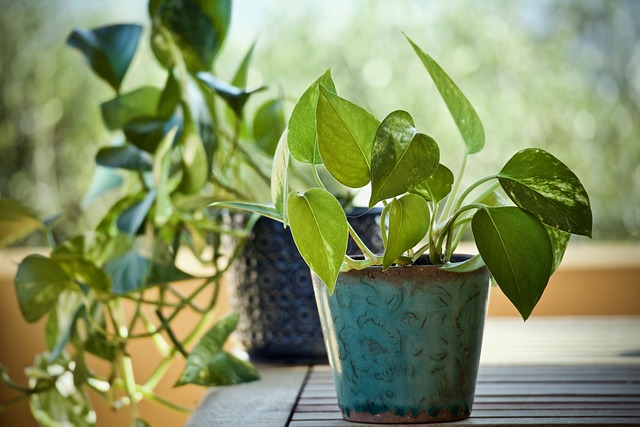
What's Happening
Indoor environments frequently provide only 50-150 lux in corners and 200-500 lux near north-facing windows—far below the 1000-3000 lux threshold for compact pothos growth. During winter months at latitudes above 40 degrees, daylight hours drop below 8-10 hours with reduced intensity, creating seasonal etiolation even in previously thriving plants. Grow lights compensate by providing consistent photosynthetically active radiation (PAR) regardless of external conditions.
How to Fix It
- 1
Select full-spectrum LED with color temperature 4000K-6500K (mimics natural daylight) and minimum 20-40W output
- 2
Position light fixture 12-18 inches above tallest leaves; closer placement risks heat stress, further distance reduces intensity below effective levels
- 3
Set timer for 12-14 hours daily on consistent schedule (e.g., 7am-9pm); use smart plug for automation
- 4
Target 1000-2000 lux at leaf surface measured with phone lux meter app; adjust height until measurement falls within range
- 5
Supplement rather than replace natural light—position grow light to augment existing window exposure, not as sole source
- 6
Monitor for floppy leaves indicating heat stress; if observed, elevate light 6 inches and reduce duration by 2 hours
How to Prevent It
Install grow light preemptively in autumn before winter light decline; maintain 12-hour minimum light exposure year-round combining natural and artificial sources; increase duration gradually (30 minutes weekly) when introducing new lights to prevent shock.
Related Problems
Go Deeper
This is covered in-depth in the pothos Mastery Pack — structured modules with video walkthroughs, advanced protocols, and rescue timelines.
Get the Mastery Pack — $37 →