Loss Of Variegation on pothos
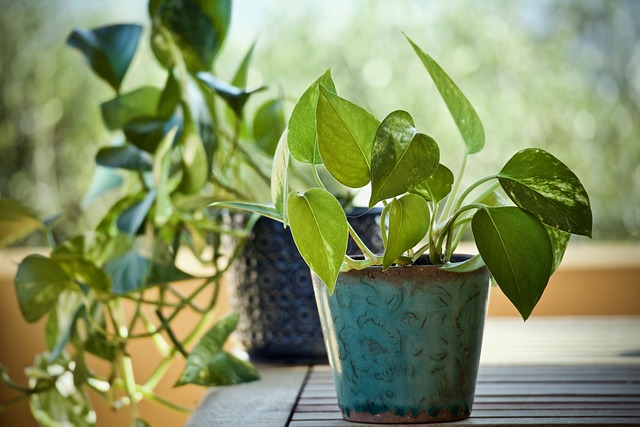
What's Happening
Variegated pothos cultivars (Marble Queen, N'Joy, Manjula) exhibit chimeric tissue instability where white sectors lack chlorophyll for photosynthesis. Under low light conditions (<1000 lux), the plant selectively favors green tissue growth as a survival adaptation, triggering epigenetic reversion where variegated meristems revert to chlorophyll-dominant expression. This is not disease but a physiological optimization response.
How to Fix It
- 1
Identify current light levels using phone lux meter or dedicated PAR meter
- 2
Relocate to brighter indirect light location—east-facing window with sheer curtain is optimal
- 3
Gradually acclimate over 7-10 days to prevent sunburn on white sectors
- 4
Prune reverting all-green shoots at base to prevent chlorophyll-dominant tissue from overtaking plant
- 5
Propagate healthy variegated cuttings in water as backup if reversion progresses
How to Prevent It
Maintain bright indirect light at 2000-5000 lux (measured with light meter) to support white tissue viability; avoid placement more than 3 feet from east/west windows; supplement with grow lights (12-16 hours daily) during winter months; propagate only from visibly variegated stem nodes to maintain genetic expression.
Related Problems
Same Problem on Other Plants
Go Deeper
This is covered in-depth in the pothos Mastery Pack — structured modules with video walkthroughs, advanced protocols, and rescue timelines.
Get the Mastery Pack — $37 →