Pest_vulnerability on pothos
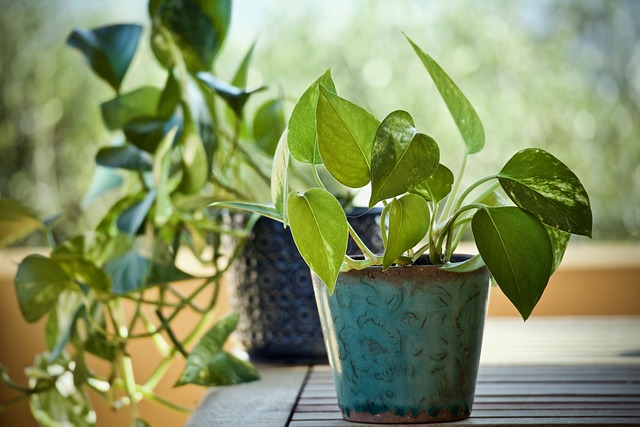
What's Happening
Soil-borne fungal pathogens Rhizoctonia solani and Sclerotium rolfsii attack pothos roots through cell wall degrading enzymes (pectate lyase and cellobiose dehydrogenase). These pathogens persist as vegetative mycelium and/or sclerotia, causing necrotrophy that drastically reduces root length, fresh weight, and dry weight.
How to Fix It
- 1
Apply thyme oil nanoemulsion at 3000 ppm concentration to infected soil and roots
- 2
For severe infections, use clove oil nanoemulsion at 3000 ppm as alternative treatment
- 3
Remove plant from pot, trim black/mushy roots with sterilized shears, rinse remaining roots
- 4
Repot in fresh well-draining aroid mix (50% potting soil, 30% perlite, 20% orchid bark) with drainage holes
- 5
Allow soil to dry between waterings; water only when top 2-3 inches are dry
How to Prevent It
Use well-draining soil mix with perlite and orchid bark; avoid oversized pots that retain excess moisture; quarantine new plants 2-4 weeks before introducing to collection; maintain 40-60% humidity with good airflow
Related Problems
Same Problem on Other Plants
Go Deeper
This is covered in-depth in the pothos Mastery Pack — structured modules with video walkthroughs, advanced protocols, and rescue timelines.
Get the Mastery Pack — $37 →