Rhizoctonia Root Rot on pothos
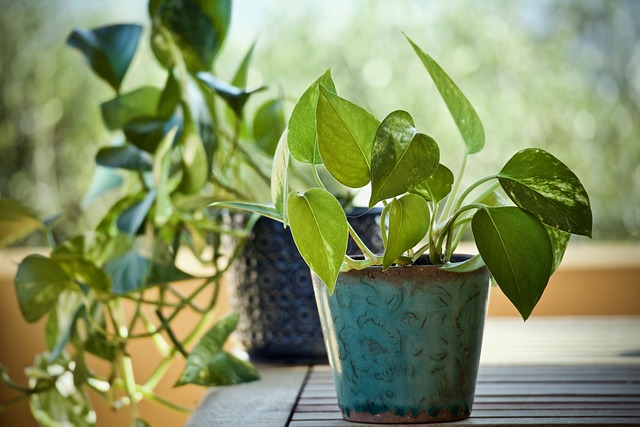
What's Happening
Rhizoctonia solani is a soil-borne fungal pathogen that causes root rot in pothos (Epipremnum aureum) by secreting pectate lyase enzymes that break down plant cell walls. The fungus persists as vegetative mycelium in soil and attacks root tissue directly, causing vascular collapse and reducing root length, fresh weight, and dry weight significantly.
How to Fix It
- 1
Prepare thyme oil nanoemulsion at 3000 ppm using 10% v/v oil emulsified with Tween 80 surfactant (2:1 ratio), sonicated for 30 minutes to achieve particle size ~94.82 nm
- 2
Soak pothos cutting bases in the nanoemulsion formulation for exactly 30 minutes prior to planting in infested soil
- 3
Plant in well-draining soil mix (2:1:1 soil:sand:clay) to minimize anaerobic conditions that favor fungal proliferation
- 4
Monitor for 60 days; expect 75% reduction in disease incidence and 4.61-fold increase in root length, 28.59-fold increase in root fresh weight, and 48.29-fold increase in root dry weight compared to untreated infected controls
How to Prevent It
Pre-treat pothos cuttings by soaking basal stems in thyme oil nanoemulsion (3000 ppm) for 30 minutes before planting in pathogen-contaminated soil. Nanoemulsions provide superior bioavailability compared to standard emulsions.
Related Problems
Go Deeper
This is covered in-depth in the pothos Mastery Pack — structured modules with video walkthroughs, advanced protocols, and rescue timelines.
Get the Mastery Pack — $37 →