Rhizoctonia-Sclerotium-Root-Rot on pothos
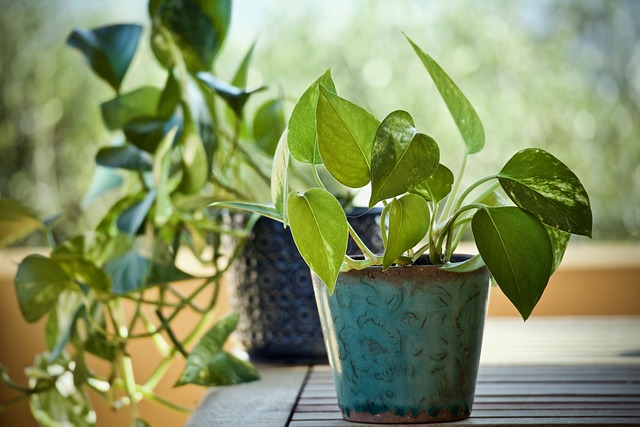
What's Happening
Rhizoctonia solani and Sclerotium rolfsii are soil-borne necrotrophic fungi that cause root rot in Epipremnum aureum (pothos) by penetrating root tissues and secreting cell wall-degrading enzymes including pectate lyase and cellobiose dehydrogenase. These pathogens persist as vegetative mycelium or sclerotia in soil and thrive in anaerobic, waterlogged conditions that compromise root oxygen availability. Research shows these pathogens drastically reduce pothos root length, fresh weight, and dry weight when left untreated.
How to Fix It
- 1
1. Inspect roots thoroughly: Remove plant from pot and rinse roots under lukewarm water to expose all tissue for examination
- 2
2. Prune all affected tissue: Use sterilized shears to cut away brown, mushy, or blackened roots; retain only firm white or cream-colored healthy roots
- 3
3. Apply hydrogen peroxide treatment: Soak remaining healthy roots in 3% hydrogen peroxide diluted 1:4 with water for 1-2 minutes to eliminate surface pathogens
- 4
4. Repot in sterile well-draining mix: Use fresh aroid mix (50% peat, 30% perlite, 20% orchid bark) in a clean pot with drainage holes
- 5
5. Quarantine treated plant: Isolate for 2-3 weeks away from other plants to prevent airborne spore spread and cross-contamination via tools
What You'll Need
How to Prevent It
Use only well-draining soil with 30-40% perlite content; water only when top 2 inches of soil are completely dry; ensure all pots have drainage holes; sterilize tools with 70% alcohol between plants; avoid reusing soil from potentially infected plants; maintain 50-60% humidity with good air circulation to inhibit fungal spore germination
Related Problems
Go Deeper
This is covered in-depth in the pothos Mastery Pack — structured modules with video walkthroughs, advanced protocols, and rescue timelines.
Get the Mastery Pack — $37 →