Root-Rot-Culture-Prevention on pothos
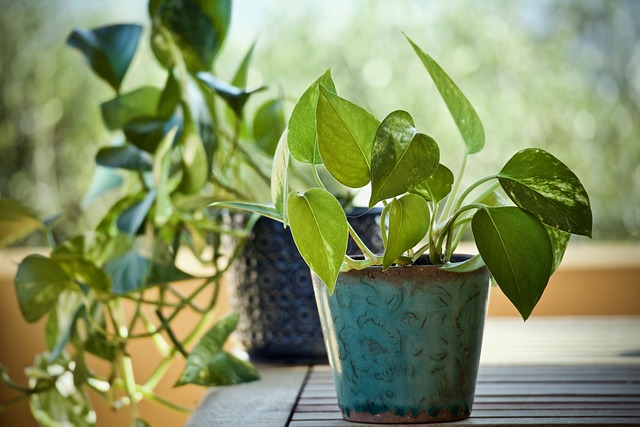
What's Happening
Pothos root rot develops primarily from anaerobic conditions created by overwatering, poor drainage, or inappropriate substrates. Waterlogged soil excludes oxygen, creating conditions favorable for Rhizoctonia solani and Sclerotium rolfsii. Common triggers include: perlite-only transitions for water-propagated cuttings creating uneven moisture retention; dense compacted soil preventing oxygen diffusion; using orchid bark as primary medium; contaminated soil or unsterilized tools; standing water in cachepots.
How to Fix It
- 1
1. Implement moisture-based watering: Water only when top 2 inches of soil are completely dry to the touch; use finger insertion test or moisture meter
- 2
2. Use appropriate substrate: Mix well-draining aroid soil containing 50% peat or coco coir, 30% perlite, and 20% orchid bark; never use perlite-only or bark-only for pothos
- 3
3. Ensure adequate drainage: All containers must have drainage holes; never allow standing water in cachepots; elevate inner pots on pebbles to prevent contact with accumulated water
- 4
4. Practice sanitation: Clean pruning shears with 70% isopropyl alcohol between plants; use fresh sterile commercial soil when repotting; avoid reusing soil from diseased plants
- 5
5. Execute early intervention: At first signs of yellowing or wilting, immediately inspect roots; remove plant, rinse roots, prune affected tissue, and repot in fresh sterile mix
What You'll Need
How to Prevent It
Water only when top 2 inches of soil are dry; use well-draining aroid mix (50% peat, 30% perlite, 20% bark); ensure all pots have drainage holes; sanitize tools with 70% alcohol between plants; quarantine new plants for 2 weeks; inspect root health quarterly.
Related Problems
Go Deeper
This is covered in-depth in the pothos Mastery Pack — structured modules with video walkthroughs, advanced protocols, and rescue timelines.
Get the Mastery Pack — $37 →