Root Rot Identification on pothos
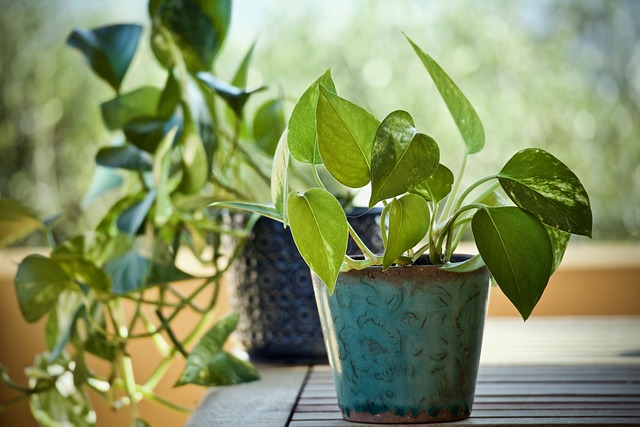
What's Happening
Root rot symptoms manifest differently across plant families. Succulents (snake plant, ZZ) show paradoxical wrinkling that mimics underwatering due to root inability to uptake water. Aroids (pothos, philodendron) display yellowing leaves starting from oldest. Peace lilies exhibit persistent drooping despite moist soil. Early detection requires distinguishing these species-specific signals from normal stress responses.
How to Fix It
- 1
1. Visual inspection: Remove plant monthly and examine roots through clear pot or after gentle unpotting
- 2
2. Healthy indicators: Firm, white to cream-colored roots that snap crisply when bent
- 3
3. Early rot signs: Off-white to tan discoloration, slight give when squeezed, musty odor
- 4
4. Advanced rot: Blackened tissue, mushy texture, distinct sour/foul smell of anaerobic bacteria
- 5
5. Tactile test: Gently squeeze root between fingers - healthy tissue resists compression
- 6
6. Smell test: Healthy roots smell earthy; rot produces unmistakable sour, fermented odor
- 7
7. Timing: Check roots immediately if leaves yellow rapidly, plant droops despite wet soil, or fungus gnats appear in large numbers
How to Prevent It
Establish monthly 'root check' routine: gently lift plant from pot to inspect root color through drainage holes; monitor soil drying time - if pot remains heavy 7+ days post-watering, investigate drainage; use clear nursery pots for visibility.
Related Problems
Go Deeper
This is covered in-depth in the pothos Mastery Pack — structured modules with video walkthroughs, advanced protocols, and rescue timelines.
Get the Mastery Pack — $37 →