Root Surgery on pothos
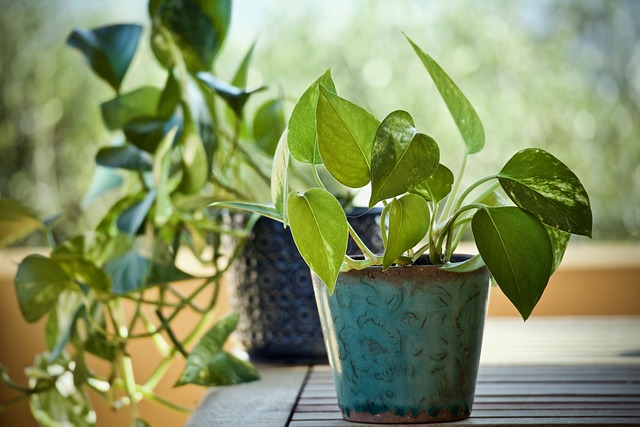
What's Happening
The primary issue stems from using perlite in a wet-dry cycle during transition from water propagation, which retained uneven moisture and created anaerobic pockets fostering fungal mold and bacterial stem/root rot. Pothos (Epipremnum aureum) water roots lack the robust structure for such mechanical stress, leading to tissue breakdown rather than acclimation; indirect afternoon sun is suitable but insufficient to dry perlite fully, exacerbating stagnation.
How to Fix It
- 1
Inspect all cuttings: Remove all soft, mushy, or discolored roots/stems with sterile scissors, making fresh cuts above rot lines.
- 2
Clean survivors: Rinse firm roots under lukewarm water; optionally dip in 3% hydrogen peroxide diluted 1:4 with water for 1-2 minutes to kill pathogens without burning.
- 3
Repropagate: Place cleaned cuttings in clean water (change weekly) or directly into moist, well-draining potting mix (e.g., 50% peat/perlite + orchid bark); avoid perlite-only.
- 4
Monitor transition: Keep soil consistently moist (not soggy) for 2-3 weeks in bright indirect light; use bottom watering to encourage downward roots.
- 5
Quarantine: Isolate affected plants to prevent spread via airborne spores or contaminated tools.
How to Prevent It
Skip perlite transitions; move water-rooted pothos directly to airy, sterile soil mixes high in drainage (e.g., 30% perlite + coco coir). Ensure 50-70% humidity with good airflow (fan), weekly water changes in propagation, and sterilize tools. Acclimate gradually by reducing water volume over 1 week pre-planting.
Related Problems
Same Problem on Other Plants
Go Deeper
This is covered in-depth in the pothos Mastery Pack — structured modules with video walkthroughs, advanced protocols, and rescue timelines.
Get the Mastery Pack — $37 →