Water Propagation on pothos
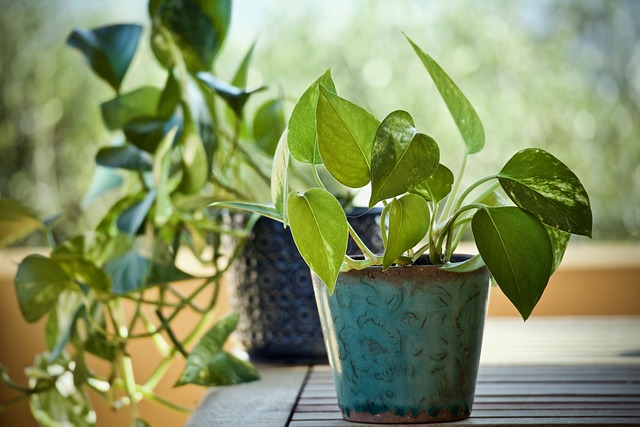
What's Happening
Water propagation exposes developing root systems for real-time monitoring but creates a hypoxic environment that delays root initiation compared to soil. The lack of oxygen tension in stagnant water triggers anaerobic bacterial proliferation, while clear containers allow beneficial light exposure but also algae growth. Successful water propagation requires balancing visibility with oxygenation—roots need dissolved oxygen above 4mg/L for healthy development. The transparent medium enables early detection of root primordia emergence (typically 1-4 weeks depending on species), allowing precise timing for soil transition before water-adapted roots become too brittle for transplant.
How to Fix It
- 1
Select appropriate vessels: Use clear glass containers to monitor root progress; avoid colored or opaque vessels
- 2
Water quality management: Use room-temperature dechlorinated water; chlorine inhibits root cell division
- 3
Node positioning: Submerge only the node and 1 inch of stem; keep leaves above water line to prevent rot
- 4
Oxygenation protocol: Change water every 3-5 days completely; add air stone for continuous oxygenation if available
- 5
Light management: Place in bright indirect light; avoid direct sun which promotes algae and overheats water
- 6
Transition timing: Transfer to soil when roots reach 2-3 inches with visible root hairs; delay causes water-root brittleness
How to Prevent It
Never leave cuttings in water longer than 8 weeks; roots adapted to water develop different cellular structure (thinner cell walls, no root hairs) that breaks easily in soil. Transition before roots become overcrowded or brown/soft.
Related Problems
Same Problem on Other Plants
Go Deeper
This is covered in-depth in the pothos Mastery Pack — structured modules with video walkthroughs, advanced protocols, and rescue timelines.
Get the Mastery Pack — $37 →