Water Propagation Rotting on pothos
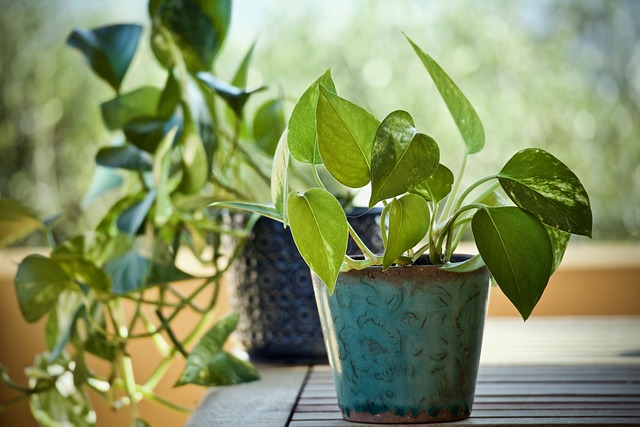
What's Happening
Water propagation of pothos (Epipremnum aureum) cuttings develops stem rot when stagnant water creates anaerobic conditions below 5mg/L dissolved oxygen, allowing bacterial soft rot pathogens (Erwinia spp.) to colonize wounded stem tissue. The combination of water roots lacking structural integrity for soil transition, organic debris in water, and extended submersion creates ideal conditions for bacterial proliferation at the submerged stem cut.
How to Fix It
- 1
Inspect all cuttings immediately: Remove any soft, mushy, or discolored stem sections with sterile scissors, cutting 1 inch above visible rot lines
- 2
Sterilize survivors: Rinse firm roots under lukewarm water; soak in 3% hydrogen peroxide diluted 1:4 with water for 2 minutes to kill surface pathogens
- 3
Repropagate in fresh medium: Place cleaned cuttings in clean water (changed weekly) with 1-2 drops hydrogen peroxide per cup, or plant directly into moist well-draining potting mix
- 4
For soil transition: Use 50% peat-based potting soil with 30% perlite and 20% orchid bark; avoid perlite-only transitions which create moisture inconsistencies
- 5
Monitor for 2-3 weeks: Keep soil consistently moist (not soggy) in bright indirect light; bottom-water only to encourage downward root growth
How to Prevent It
Change propagation water every 5-7 days using dechlorinated or distilled water at 65-75°F; add 3% hydrogen peroxide at 2-3 drops per cup to maintain oxygenation; use opaque containers to prevent light-induced algae that harbors bacteria; sterilize all tools with 70% alcohol before handling cuttings; transition to soil when roots reach 2-3 inches long.
Related Problems
Go Deeper
This is covered in-depth in the pothos Mastery Pack — structured modules with video walkthroughs, advanced protocols, and rescue timelines.
Get the Mastery Pack — $37 →