Water To Soil Transition Shock on pothos
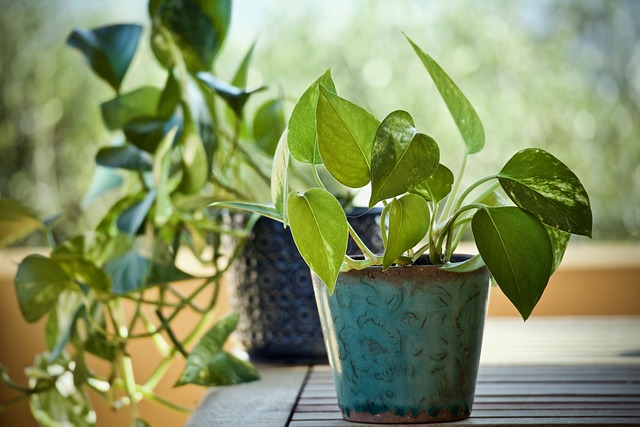
What's Happening
Water-to-soil transition shock occurs because water-developed roots (adventitious roots with aerenchyma tissue adapted to oxygen-rich water) lack the structural integrity and root hairs needed for soil anchoring and nutrient absorption. When transferred directly to soil, these fragile water roots break under mechanical stress, desiccate from air exposure during planting, or fail to interface with soil particles. Perlite-only transition attempts create additional problems—moisture inconsistency from perlite's hydrophobicity causes roots to dry out or suffocate in anaerobic pockets.
How to Fix It
- 1
Timing: Transfer cuttings when water roots reach 2-3 inches long with visible root hairs emerging
- 2
Prepare soil mix: Use 50% peat-based potting soil, 30% perlite, 20% orchid bark—avoid straight perlite transitions
- 3
Minimize air exposure: Keep roots moist during transfer; work quickly to prevent desiccation
- 4
Plant at proper depth: Bury 2-3 nodes with roots fully covered; gently firm soil around roots without compacting
- 5
Post-planting care: Maintain consistently moist (not soggy) soil for 2-3 weeks; use bottom watering to encourage deep root establishment
- 6
Humidity support: Maintain 50-70% humidity during transition period to reduce stress on water-adapted roots
How to Prevent It
Skip perlite-only transition media; move water-rooted cuttings directly into well-draining potting mix when roots reach 2-3 inches long; ensure soil mix contains 50% peat-based potting soil for moisture retention plus 30% perlite and 20% orchid bark for aeration; maintain 50-70% humidity during the first 2-3 weeks to reduce transplant shock.
Related Problems
Go Deeper
This is covered in-depth in the pothos Mastery Pack — structured modules with video walkthroughs, advanced protocols, and rescue timelines.
Get the Mastery Pack — $37 →