Corking on prickly pear cactus
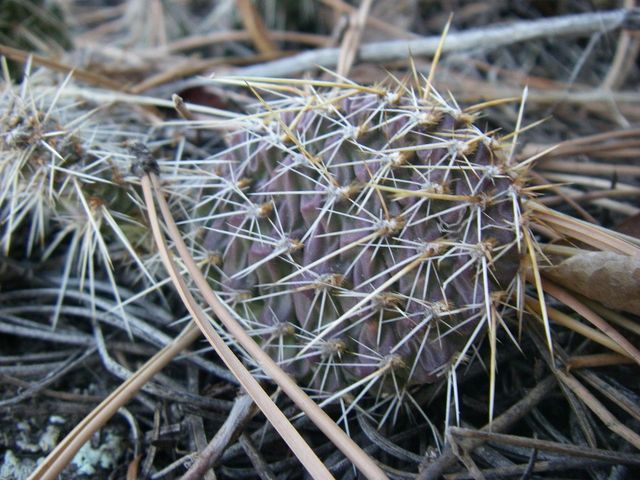
What's Happening
Opuntia and prickly pear cacti exhibit a unique corking pattern on their flat, pad-like stem segments (cladodes). As these cacti age, the older pads at the base of the plant develop woody, brown tissue while continuing to support newer green pads above. The junction points between pads are particularly prone to corking due to mechanical stress from the weight of stacked segments. This pattern differs from cylindrical cacti because the flat pads create different stress distributions across the plant structure.
How to Fix It
- 1
Identify Opuntia-specific pattern: Expect woody base pads with newer green pads stacked above
- 2
Check junction health: The points where pads connect should remain firm; soft junctions indicate rot
- 3
Monitor pad turgidity: Even corked base pads should remain somewhat plump, not completely desiccated
- 4
Watch for new growth: Healthy plants continue producing new pads at branch tips regardless of basal corking
- 5
Remove if necessary: Severely corked, desiccated base pads can be removed if they threaten plant health
How to Prevent It
Provide adequate spacing between plants to prevent pads from rubbing and causing mechanical damage that could mimic or trigger abnormal corking; maintain proper watering to keep pads turgid and healthy.