Overwatering Vs Underwatering on prickly pear cactus
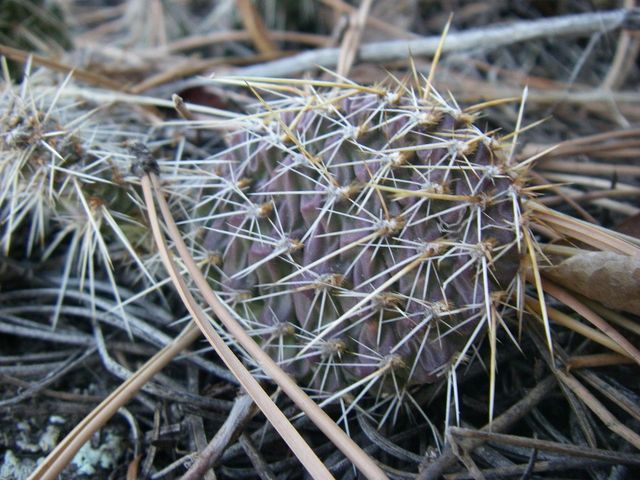
What's Happening
Prickly pear and paddle cacti are uniquely vulnerable to both overwatering and underwatering because their native desert habitats feature infrequent but intense rainfall events followed by extended drought periods. The diagnostic challenge arises because both conditions eventually produce similar above-ground symptoms (wrinkling, drooping, pad deflation) through different mechanisms. Overwatering kills roots first (preventing water uptake), then causes stem rot; underwatering simply depletes stored water in pads. Without proper soil moisture assessment, owners cannot determine which condition exists until significant damage has occurred.
How to Fix It
- 1
Finger test: Insert finger 2-3 inches deep—if soil particles cling to skin or feel cool, soil contains moisture; if completely dry and crumbly, ready for water
- 2
Wooden skewer method: Insert bamboo skewer or chopstick to pot bottom, withdraw—damp residue or darkened wood indicates moisture throughout pot; clean, dry skewer signals readiness for watering
- 3
Pot weight test: Lift pot when bone-dry to establish baseline weight; water only when pot feels similarly lightweight
- 4
Moisture meter verification: For precision, use meter probe inserted to root depth—reading below 2/10 confirms dryness for cacti
- 5
Seasonal adjustment: Extend dry periods in winter (dormancy) to 4-6 weeks; shorten to 2-3 weeks in active growth season with bright light
What You'll Need
How to Prevent It
Implement systematic soil moisture monitoring: Use combination of finger test (top 2-3 inches), wooden skewer method (insert to pot bottom, check for dampness), and pot weight assessment (lift pot—lightweight indicates dryness). Establish environment-specific watering schedules rather than calendar-based routines.