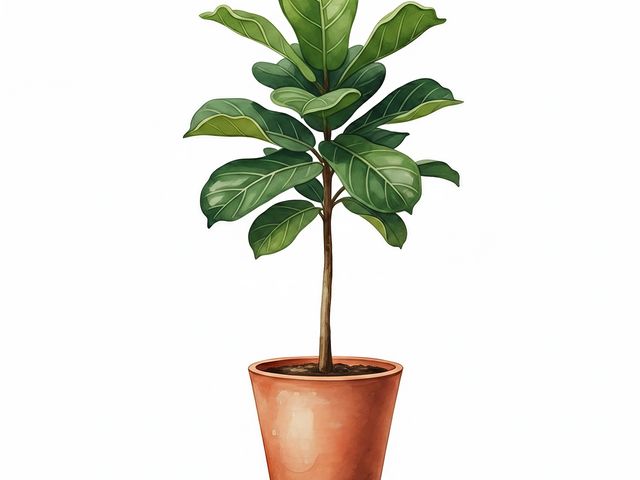
rhaphidophora tetrasperma variegated
Comprehensive care and diagnosis guide for the Rhaphidophora Tetrasperma Variegated. Based on 1 verified community insights.
Care Requirements
At a Glance
Detailed care profile is currently being compiled by the Plant Grail swarm.
Start Here
Most Common Problems
Based on 1 analyzed cases — these are the issues you're most likely to encounter
Verified Data
All Diagnoses
Complete analysis of 1 cases for this variety. Select an entry to expand rescue protocols.
Common Questions
Frequently Asked Questions
Why does my rhaphidophora tetrasperma variegated have Light requirements?
Cause: Rhaphidophora tetrasperma sustained growth with 6.8 µmol m⁻² s⁻¹ white LED light for 9 h/day, indicating shade tolerance. However, variegated cultivars possess reduced chlorophyll in white sectors (lacking photosynthetic tissue), requiring 30-50% higher light intensity than green forms to maintain equivalent growth rates. Elevating light to 20.1 µmol m⁻² s⁻¹ and extending day length to 18 h/day enhanced relative growth rate, with climbing plants allocating more biomass to stems.
Solution: Provide bright indirect light: Target 400-600 foot-candles (FC) for variegated forms vs 250-400 FC for green forms
Prevention: Position variegated Rhaphidophora tetrasperma in bright indirect light (east-facing window or 2-3 feet from south/west windows). Variegated forms require 50-75% more light than standard green varieties to compensate for chlorophyll-deficient tissue. Monitor for reversion (increased green) as indicator of insufficient light; conversely, brown crispy patches on white sectors indicate excessive light exposure.
85% confidence · View full protocol →