
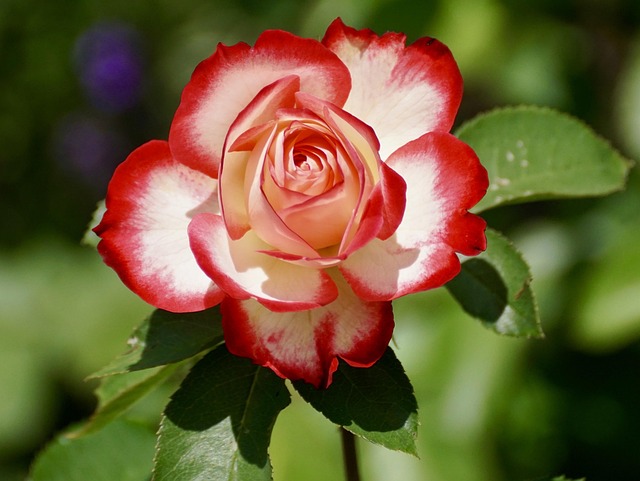
rose
Rosa spp.
Roses are woody perennial flowering plants that have been cultivated for 5,000 years. From hybrid teas to shrub roses, they offer fragrant blooms in nearly every color. Modern varieties combine classic beauty with improved disease resistance.
Care Essentials
Get to Know Your Rose
Roses belong to the genus Rosa with over 300 species and thousands of cultivars. They prefer good air circulation to prevent fungal diseases.
Light
full sun
Requires minimum 6 hours of direct sunlight daily for optimal blooming. Morning sun is ideal.
💡 Grow lights: Thrives under artificial grow lights (LED or fluorescent, 10-12 hours/day). A great option if your space lacks natural light.
Watering
every 2-3 days in summer, weekly in cooler months
Water every 2-3 days in summer, weekly in cooler months. Look for: wilting leaves, dry top 1-2 inches of soil. water at the base to avoid wetting foliage.
Humidity & Temperature
Prefers 40-60% humidity. Average home humidity usually works fine, but give it a boost in winter when heating dries the air.
Comfortable between 40-85°F. Keep away from cold drafts and heating vents.
Soil
Rich, well-draining loam with pH 6.0-6.5. Add compost and aged manure for nutrients.
Care Requirements
At a Glance
full sun
Requires minimum 6 hours of direct sunlight daily for optimal blooming. Morning sun is ideal.
Water every 2-3 days in summer, weekly in cooler months
Wilting leaves, dry top 1-2 inches of soil. Water at the base to avoid wetting foliage.
40-60% Humidity
Ideal temperature: 40-85F
Rich, well-draining loam with pH 6.0-6.5. Add compost and aged manure for nutrients.
Growth rate: moderate
The #1 Mistake
Watering issues account for 0% of Rose problems in our database (0 of 11 documented cases). Most failures trace back to watering on a schedule rather than checking soil moisture.
Expert Advice
Tips & Tricks
Deadhead spent blooms just above the first 5-leaflet set to encourage reblooming
Mulch with 2-3 inches of organic material to retain moisture and suppress weeds
Feed with balanced fertilizer every 4-6 weeks during the growing season
Water in the morning to allow foliage to dry before evening, preventing disease
Plant graft union 2 inches below soil level in cold climates for winter protection
General Care Philosophy
"Success with roses requires consistent monitoring for pests like aphids and diseases like black spot. Deep watering at the base, morning sun exposure, and proper spacing for airflow are essential. Prune in late winter or early spring before new growth emerges."
Start Here
Most Common Problems
Based on 11 analyzed cases — these are the issues you're most likely to encounter
Don't see your symptom? Search all 11 topics below, or run the Diagnostic.
Rose: Black Spot Fungus
Diplocarpon rosae fungus thrives in warm, wet conditions (75°F/24°C). Spores...
Rose: Japanese Beetles
Popillia japonica adults emerge in mid-summer, aggregating on roses (their...
Rose: Cane Dieback
Canes turn brown, black, or purple and die from the tip down. Causes include...
How do I prune my Rose?
Common mistakes include pruning too early (encouraging frost-damaged new...
Rose: Iron Chlorosis
Leaves turn pale yellow or white while the veins remain distinctly dark green....
Which of the 7 Killers
is threatening your plants?
We analyzed 1,616 documented plant deaths to identify the 7 causes behind 78% of all losses. Answer 5 questions — we'll tell you exactly which ones apply to your setup.
Skip the quiz — get The 7 Killers course ($19) →Question 1 of 5
How do you decide when to water your plants?
Question 2 of 5
Where do most of your plants live?
Question 3 of 5
What's your home environment like?
Question 4 of 5
Have you lost a plant in the last 6 months?
Question 5 of 5
How often do you check your plants for pests?
Your diagnosis is ready
We've identified your top 2 risk killers. Enter your email to see the full breakdown and your personalized rescue protocol.
Your plants are most at risk from:

The 7 Killers mini-course covers every one of these in depth — mechanism, rescue protocol, prevention. 1,616 cases. 7 lessons. $19.
Get The 7 Killers — $19 →Get the Plant Mortality Checklist
The 7 killers behind 78% of houseplant deaths — and the exact fix for each. Free PDF based on 1,616 documented cases.
Your checklist is ready!
We also sent it to your inbox. Check your email for the full download.
Open the ChecklistFree. No spam. Unsubscribe anytime.
Verified Data
All Diagnoses
11 topics consolidated from 11 documented cases. Expand any topic to see all protocols.
Symptoms (1 topics · 1 cases)
Rose: Black Spot Fungus
Diplocarpon rosae fungus thrives in warm, wet conditions (75°F/24°C)
95%
Rose: Black Spot Fungus
Diplocarpon rosae fungus thrives in warm, wet conditions (75°F/24°C)
Cause
Diplocarpon rosae fungus thrives in warm, wet conditions (75°F/24°C). Spores splash from infected fallen leaves onto lower foliage during rain or overhead watering, causing circular black spots with fringed edges followed by rapid yellowing and leaf drop.
Solutions
- Remove and destroy all infected leaves immediately (do not compost)
- Rake up and dispose of fallen leaves around the base
- Apply a fungicide containing chlorothalonil, copper soap, or neem oil every 7-14 days
- Prune to open the center of the bush for better air circulation
Prevention
Water at the base of the plant only, keeping foliage dry. Apply fresh mulch in early spring to prevent soil-borne spores from splashing up. Choose disease-resistant varieties.
Pests (2 topics · 2 cases)
Why does my Rose have aphids?
Soft-bodied sap-sucking insects that cluster on tender new growth and developing buds, especially in spring
88%
Why does my Rose have aphids?
Soft-bodied sap-sucking insects that cluster on tender new growth and developing buds, especially in spring
Cause
Soft-bodied sap-sucking insects that cluster on tender new growth and developing buds, especially in spring. They excrete sticky honeydew which attracts ants and promotes sooty mold. They reproduce rapidly in mild weather.
Solutions
- Blast off with a strong stream of water from the hose (repeat every 2-3 days)
- Apply insecticidal soap or neem oil directly to the clusters, ensuring contact
- If ants are farming them, use ant baits at the base of the plant
- Introduce natural predators like ladybugs or lacewings
Prevention
Avoid over-fertilizing with nitrogen, which creates the lush, sappy growth aphids prefer. Encourage beneficial insects by planting alyssum or yarrow nearby.
Why does my Rose have spider mites?
Tetranychus urticae thrive in hot, dry, dusty conditions
88%
Why does my Rose have spider mites?
Tetranychus urticae thrive in hot, dry, dusty conditions
Cause
Tetranychus urticae thrive in hot, dry, dusty conditions. They pierce plant cells and suck out contents, causing leaves to look dull, stippled (tiny yellow/white dots), and eventually turn bronze or yellow and drop. Fine webbing is often visible.
Solutions
- Hose down the bush with a strong blast of water every 2-3 days to disrupt their life cycle and raise local humidity
- Apply horticultural oil or insecticidal soap, completely coating the undersides of leaves
- In severe cases, use a specialized miticide
Prevention
Keep plants well-watered during droughts. Avoid broad-spectrum insecticides (like carbaryl) which kill natural mite predators but not the mites, leading to population explosions.
Maintenance (2 topics · 2 cases)
How should I fertilize my Rose?
Applying too much synthetic, high-nitrogen fertilizer or applying it to dry soil causes salt buildup that draws moisture out of the roots
89%
How should I fertilize my Rose?
Applying too much synthetic, high-nitrogen fertilizer or applying it to dry soil causes salt buildup that draws moisture out of the roots
Cause
Applying too much synthetic, high-nitrogen fertilizer or applying it to dry soil causes salt buildup that draws moisture out of the roots. Symptoms include browning and crisping of leaf margins (edges) and stunted, scorched-looking new growth.
Solutions
- Immediately flush the soil around the base with copious amounts of water to leach out excess salts
- Trim severely burned foliage to improve appearance
- Hold off on any feeding for at least 4-6 weeks
Prevention
Always water the rose bush deeply *before* and *after* applying granular fertilizer. Follow package dosage instructions precisely. Consider switching to slow-release organic fertilizers (like alfalfa meal or compost) which are less likely to burn.
How do I prune my Rose?
Common mistakes include pruning too early (encouraging frost-damaged new growth), leaving dead/crossing canes, making flat cuts that hold water, or cutting too far above a bud node (causing cane dieback)
92%
How do I prune my Rose?
Common mistakes include pruning too early (encouraging frost-damaged new growth), leaving dead/crossing canes, making flat cuts that hold water, or cutting too far above a bud node (causing cane dieback)
Cause
Common mistakes include pruning too early (encouraging frost-damaged new growth), leaving dead/crossing canes, making flat cuts that hold water, or cutting too far above a bud node (causing cane dieback).
Solutions
- Make cuts at a 45-degree angle about 1/4 inch above an outward-facing bud node
- Remove all dead, diseased, or crossing canes first
- Thin the center to create a vase shape for airflow
- Always use clean, sharp bypass pruners, sanitizing between plants
Prevention
Time hard pruning for late winter or early spring just as buds begin to swell but before they leaf out. Research the specific type of rose (e.g., climbers vs. hybrid teas), as pruning rules differ.
Other Topics (6 topics · 6 cases)
Rose: Blind Shoots
Blind shoots are stems that grow vigorously but fail to produce a flower bud at the terminal end
85%
Rose: Blind Shoots
Blind shoots are stems that grow vigorously but fail to produce a flower bud at the terminal end
Cause
Blind shoots are stems that grow vigorously but fail to produce a flower bud at the terminal end. Causes include late spring frosts damaging the embryonic bud, insufficient sunlight (less than 6 hours), severe temperature fluctuations, or genetic predisposition of certain varieties.
Solutions
- Identify blind shoots (stems that end in a cluster of leaves with no bud tip)
- Prune the blind shoot back by one-third or one-half to an outward-facing 5-leaflet leaf
- This stimulates new lateral growth that will likely produce a bud
Prevention
Ensure the rose receives 6-8 hours of direct sun. Provide a balanced fertilizer in early spring. Protect tender new growth from late hard frosts.
Rose: Cane Dieback
Canes turn brown, black, or purple and die from the tip down
93%
Rose: Cane Dieback
Canes turn brown, black, or purple and die from the tip down
Cause
Canes turn brown, black, or purple and die from the tip down. Causes include severe winter freezing, pruning at the wrong time (promoting soft growth before frost), pruning with dull/dirty tools causing infection, or inadequate winter protection in cold zones.
Solutions
- Wait until early spring when the plant begins to bud out to assess full winter damage
- Prune the dead, blackened cane down to healthy, green tissue with a white pith center
- Cut at a 45-degree angle just above an outward-facing bud node
- Seal large cuts with white glue if cane borers are a local problem
Prevention
Stop fertilizing and deadheading by late summer to encourage the rose to harden off for winter. In cold climates (Zone 5 and below), mound soil or compost 8-10 inches high around the base of the canes after the first hard freeze.
Rose: Iron Chlorosis
Leaves turn pale yellow or white while the veins remain distinctly dark green
91%
Rose: Iron Chlorosis
Leaves turn pale yellow or white while the veins remain distinctly dark green
Cause
Leaves turn pale yellow or white while the veins remain distinctly dark green. This is an iron deficiency, usually caused not by a lack of iron in the soil, but by high soil pH (alkaline) or waterlogged cold roots, which lock up the iron making it unavailable to the plant.
Solutions
- Apply a chelated iron foliar spray for immediate (but temporary) green-up
- Test soil pH; roses prefer a slightly acidic pH of 6.0 to 6.5
- If soil is too alkaline, lower the pH by adding agricultural sulfur or iron sulfate to the soil
- Improve soil drainage if the bed stays too wet
Prevention
Regularly amend the soil with acidic organic matter like pine needles, compost, or peat moss. Avoid overwatering.
Rose: Japanese Beetles
Popillia japonica adults emerge in mid-summer, aggregating on roses (their favorite food) to mate and feed
94%
Rose: Japanese Beetles
Popillia japonica adults emerge in mid-summer, aggregating on roses (their favorite food) to mate and feed
Cause
Popillia japonica adults emerge in mid-summer, aggregating on roses (their favorite food) to mate and feed. They chew large irregular holes in flowers and skeletonize leaves. They emit pheromones that attract more beetles.
Solutions
- Hand-pick beetles in the early morning when they are sluggish and drop them into a bucket of soapy water
- Do NOT use pheromone traps near your roses, as they attract more beetles from miles away than they catch
- Cover prized blooms with fine mesh netting
- Apply neem oil or spinosad as a deterrent (though efficacy is limited during heavy swarms)
Prevention
Treat the lawn in late summer/early fall with milky spore or beneficial nematodes to kill the grubs before they mature into next year's adults.
Rose: Powdery Mildew
Podosphaera pannosa fungus favored by warm, dry days and cool, humid nights
90%
Rose: Powdery Mildew
Podosphaera pannosa fungus favored by warm, dry days and cool, humid nights
Cause
Podosphaera pannosa fungus favored by warm, dry days and cool, humid nights. Unlike black spot, it doesn't need liquid water to spread. It appears as a white, powdery dusting on new leaves, stems, and buds, causing them to crumple and distort.
Solutions
- Prune off severely distorted or heavily coated new growth
- Spray with horticultural oil, potassium bicarbonate, or neem oil (avoid applying in direct midday sun to prevent leaf burn)
- Improve air flow by thinning crowded canes
Prevention
Ensure adequate spacing between bushes. Plant in full sun (at least 6-8 hours daily). Avoid high-nitrogen fertilizers late in the season, which push susceptible soft new growth.
Rose: Rose Slugs
Rose slugs are the larvae of sawflies
90%
Rose: Rose Slugs
Rose slugs are the larvae of sawflies
Cause
Rose slugs are the larvae of sawflies. They look like tiny green caterpillars and feed on the underside of rose leaves in spring, eating the green tissue and leaving only the transparent veins (skeletonization).
Solutions
- Inspect the undersides of leaves at the first sign of transparent spots
- Hand-pick or wipe off minor infestations
- Spray undersides of leaves with insecticidal soap, neem oil, or spinosad
- Note: Bt (Bacillus thuringiensis) does not work on sawfly larvae because they are not true caterpillars
Prevention
Regular inspection in mid-to-late spring. Horticultural oil applied during the dormant season can help smother overwintering pupae in the soil.
Common Questions
Frequently Asked Questions
Why does my rose have Black spot fungus?
Cause: Diplocarpon rosae fungus thrives in warm, wet conditions (75°F/24°C). Spores splash from infected fallen leaves onto lower foliage during rain or overhead watering, causing circular black spots with fringed edges followed by rapid yellowing and leaf drop.
Solution: Remove and destroy all infected leaves immediately (do not compost)
Prevention: Water at the base of the plant only, keeping foliage dry. Apply fresh mulch in early spring to prevent soil-borne spores from splashing up. Choose disease-resistant varieties.
95% confidence · View full protocol →
Why does my rose have Japanese beetles?
Cause: Popillia japonica adults emerge in mid-summer, aggregating on roses (their favorite food) to mate and feed. They chew large irregular holes in flowers and skeletonize leaves. They emit pheromones that attract more beetles.
Solution: Hand-pick beetles in the early morning when they are sluggish and drop them into a bucket of soapy water
Prevention: Treat the lawn in late summer/early fall with milky spore or beneficial nematodes to kill the grubs before they mature into next year's adults.
94% confidence · View full protocol →
Why does my rose have Cane dieback?
Cause: Canes turn brown, black, or purple and die from the tip down. Causes include severe winter freezing, pruning at the wrong time (promoting soft growth before frost), pruning with dull/dirty tools causing infection, or inadequate winter protection in cold zones.
Solution: Wait until early spring when the plant begins to bud out to assess full winter damage
Prevention: Stop fertilizing and deadheading by late summer to encourage the rose to harden off for winter. In cold climates (Zone 5 and below), mound soil or compost 8-10 inches high around the base of the canes after the first hard freeze.
93% confidence · View full protocol →
Why does my rose have Pruning mistakes?
Cause: Common mistakes include pruning too early (encouraging frost-damaged new growth), leaving dead/crossing canes, making flat cuts that hold water, or cutting too far above a bud node (causing cane dieback).
Solution: Make cuts at a 45-degree angle about 1/4 inch above an outward-facing bud node
Prevention: Time hard pruning for late winter or early spring just as buds begin to swell but before they leaf out. Research the specific type of rose (e.g., climbers vs. hybrid teas), as pruning rules differ.
92% confidence · View full protocol →
Why does my rose have Iron chlorosis?
Cause: Leaves turn pale yellow or white while the veins remain distinctly dark green. This is an iron deficiency, usually caused not by a lack of iron in the soil, but by high soil pH (alkaline) or waterlogged cold roots, which lock up the iron making it unavailable to the plant.
Solution: Apply a chelated iron foliar spray for immediate (but temporary) green-up
Prevention: Regularly amend the soil with acidic organic matter like pine needles, compost, or peat moss. Avoid overwatering.
91% confidence · View full protocol →
Common Questions
Frequently Asked About Rose
Are Rose toxic to cats and dogs?
Rose are considered non-toxic to cats and dogs, though ingestion may still cause mild stomach upset.
How fast do Rose grow?
Rose have a moderate growth rate under optimal indoor conditions. They can reach 2-6 ft depending on variety.
How do I propagate Rose?
The primary propagation method for Rose is stem cutting,grafting,layering.
Are Rose easy to care for?
Rose are rated as "intermediate" difficulty. They require experienced care and attention to specific environmental conditions.
What problems can Rose get?
Our database contains 11 documented Rose cases covering 11 distinct topics, including diseases, pest identification, environmental stress, propagation, and advanced care protocols — each with verified solutions.
Structured Learning
Ready to Go Deeper?
Explore our Mastery Packs for structured, video-based learning with step-by-step protocols from 20,000+ analyzed plant cases.
Browse All Courses →