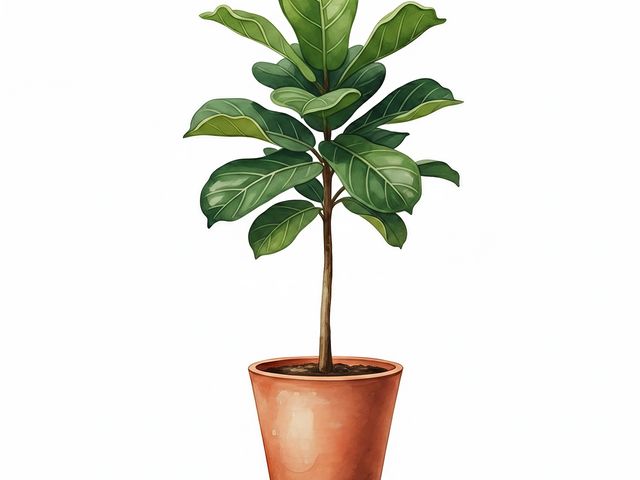
sansevieria trifasciata
Comprehensive care and diagnosis guide for the Sansevieria Trifasciata. Based on 12 verified community insights.
Care Requirements
At a Glance
Detailed care profile is currently being compiled by the Plant Grail swarm.
Go Deeper
Snake Plant Matrix Pack
The complete protocol: advanced care, seasonal calendars, and rescue modules. Everything on this page, plus video walkthroughs.
Start Here
Most Common Problems
Based on 12 analyzed cases — these are the issues you're most likely to encounter
Why does my Sansevieria Trifasciata have bioretention_substrate_optimization?
Sansevieria trifasciata (snake plant) demonstrates exceptional phytoremediation...
Why does my Sansevieria Trifasciata have antimicrobial_cytotoxic_properties?
Ethanolic extracts of Sansevieria trifasciata leaf tissue exhibit...
Why does my Sansevieria Trifasciata have nephroprotective_research?
Scientific studies demonstrate that Sansevieria trifasciata leaf extracts...
Why does my Sansevieria Trifasciata have phytochemical_profile?
Comprehensive phytochemical profiling of Sansevieria trifasciata reveals a...
Why does my Sansevieria Trifasciata have ethnobotanical_indigenous_use?
Ethnobotanical research among the Ongota/Birale people of Southwest Ethiopia...
Verified Data
All Diagnoses
Complete analysis of 12 cases for this variety. Select an entry to expand rescue protocols.
Diseases (1)
Other Problems (4)
Propagation (1)
Watering Issues (1)
Common Questions
Frequently Asked Questions
Why does my sansevieria trifasciata have Bioretention_substrate_optimization?
Cause: Sansevieria trifasciata (snake plant) demonstrates exceptional phytoremediation capacity in engineered bioretention systems. Research shows the species achieves optimal growth in substrates containing 25-50% coconut fiber amendments, outperforming standard potting mixes in water retention and filtration. The plant's fibrous root system and CAM photosynthesis enable efficient processing of urban stormwater runoff, removing suspended solids and reducing nutrient loads.
Solution: Amend standard potting soil with 25% coconut coir or coconut fiber for improved aeration and water retention balance
Prevention: For indoor cultivation mimicking bioretention principles: Use well-draining substrate with 25-30% organic fiber amendment (coconut coir or bark). Avoid pure peat mixes which compact and create anaerobic zones. Ensure pot has drainage holes to prevent waterlogging.
93% confidence · View full protocol →
Why does my sansevieria trifasciata have Antimicrobial_cytotoxic_properties?
Cause: Ethanolic extracts of Sansevieria trifasciata leaf tissue exhibit broad-spectrum antimicrobial activity and cytotoxic effects against colorectal cancer cell lines (HCT116, HT29) in vitro. Phytochemical analysis reveals presence of steroidal saponins, flavonoids, and phenolic compounds responsible for bioactive properties. This ethnobotanical application reflects the plant's traditional medicinal use across multiple cultures.
Solution: Research applications focus on ethanolic extraction protocols—not home preparation
Prevention: While promising for research, antimicrobial leaf extracts should not be consumed without proper pharmaceutical processing. Handle plant with standard houseplant safety—wash hands after contact with sap.
92% confidence · View full protocol →
Why does my sansevieria trifasciata have Nephroprotective_research?
Cause: Scientific studies demonstrate that Sansevieria trifasciata leaf extracts possess nephroprotective (kidney-protective) effects against chemically-induced renal damage in animal models. The mechanism involves antioxidant and anti-inflammatory pathways that mitigate oxidative stress in renal tissue. Phytochemical constituents including steroidal saponins and phenolic compounds contribute to this protective bioactivity.
Solution: Scientific research supports traditional ethnobotanical knowledge of Sansevieria
Prevention: This research validates traditional medicinal use but does not constitute medical advice. Do not self-treat kidney conditions with houseplants. Consult healthcare providers for kidney health concerns.
91% confidence · View full protocol →
Why does my sansevieria trifasciata have Phytochemical_profile?
Cause: Comprehensive phytochemical profiling of Sansevieria trifasciata reveals a complex array of bioactive compounds including steroidal saponins (primary active constituents), phenolic compounds, flavonoids, alkaloids, and cardiac glycosides. These compounds contribute to the plant's documented antioxidant, antimicrobial, and cytoprotective properties. Understanding this chemical profile explains both the plant's resilience and its traditional medicinal applications across indigenous cultures.
Solution: Appreciate biochemical complexity that makes Sansevieria naturally pest-resistant
Prevention: The presence of saponins and cardiac glycosides means Sansevieria is mildly toxic if ingested. Keep plants out of reach of pets and small children. Wear gloves when handling if you have sensitive skin.
90% confidence · View full protocol →
Why does my sansevieria trifasciata have Ethnobotanical_indigenous_use?
Cause: Ethnobotanical research among the Ongota/Birale people of Southwest Ethiopia (with only six remaining native speakers) documents Sansevieria species in traditional medicinal practices. This endangered indigenous knowledge system represents millennia of empirical observation and represents a biocultural heritage link between human communities and this resilient plant genus. The snake plant's medicinal use spans continents from African traditional medicine to Asian Ayurvedic practices.
Solution: Acknowledge indigenous knowledge systems that recognized Sansevieria properties
Prevention: Respect and preserve ethnobotanical knowledge without appropriation. Documented traditional uses inform modern research but should not replace evidence-based medical care.
88% confidence · View full protocol →