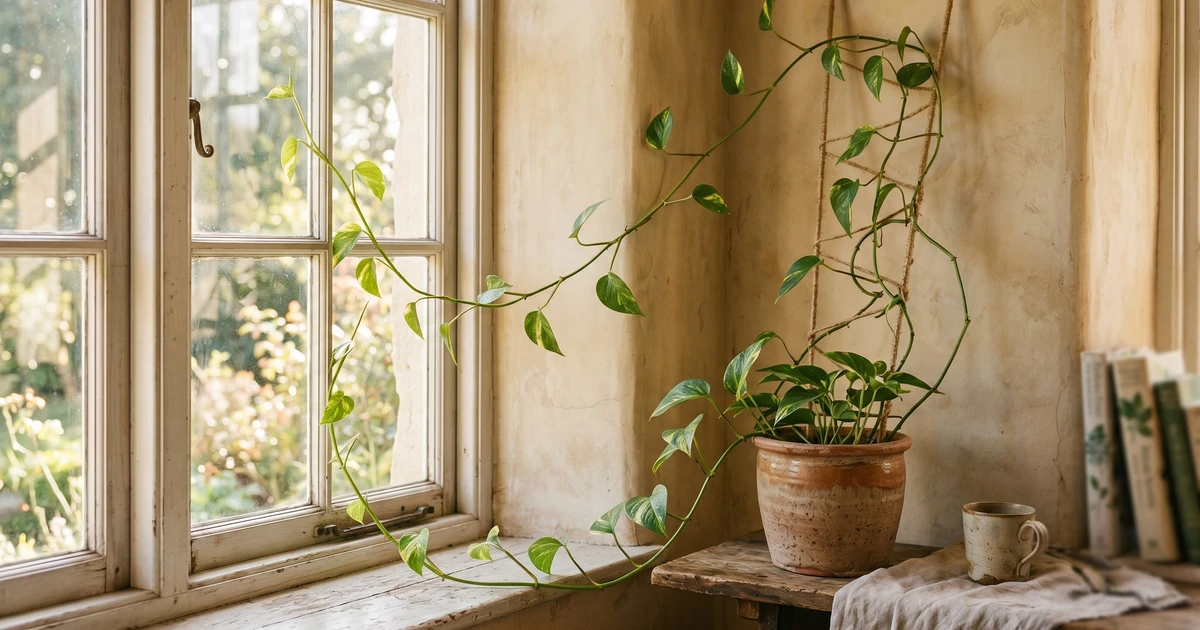
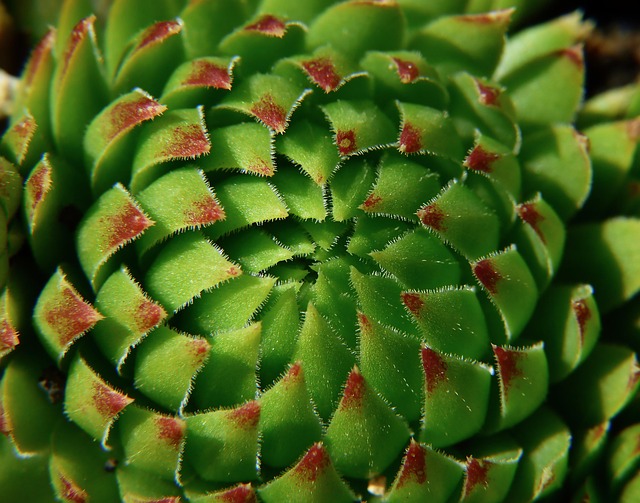
sedum
Sedum spp.
Evidence-based care guide for Sedum (Sedum spp.). Covers symptom diagnosis, pest control and watering. Our analysis draws from 8 verified community cases with an average confidence score of 87%. Each protocol is synthesized from real rescue outcomes, not generic advice.
Care Essentials
Get to Know Your Sedum
The #1 killer? Overwatering. Let the soil dry between waterings and your Sedum will thrive.
Light
bright indirect
Wants bright, indirect light — sensitive to both extremes. Too much direct sun causes burns, too little causes stretching.
💡 Grow lights: Thrives under artificial grow lights (LED or fluorescent, 10-12 hours/day). A great option if your space lacks natural light.
Watering
every 7-10 days
Water when the top 1-2 inches of soil feel dry. Adjust with the seasons — less in winter, more in summer.
Humidity & Temperature
Not fussy about humidity. Handles average indoor conditions without issue.
Standard room temperature (60-80°F / 15-27°C) is perfect. Avoid cold drafts and sudden temperature swings.
Soil
Needs well-draining soil — add perlite or orchid bark to a standard potting mix. Good drainage is critical to prevent root rot.
Care Requirements
At a Glance
Care Profile in Development
While our detailed care profile is being compiled, you can find specific care guidance in the 4 care-related diagnoses below — including watering schedules, light requirements, and propagation methods from real-world cases.
Start Here
Most Common Problems
Based on 8 analyzed cases — these are the issues you're most likely to encounter
Don't see your symptom? Search all 8 topics below, or run the Diagnostic.
Is my Sedum overwatered?
Standard potting soil contains 60-80% peat moss and fine organic particles that...
Why does my Sedum have sunburn?
The 14-day acclimation protocol addresses the biological delay in protective...
Why does my Sedum have mealybugs?
Mealybugs, scale, and aphids are the three most destructive Sedum pests....
Why is my Sedum becoming etiolated?
Sedum species experience etiolation when light levels drop below CAM...
Why are my Sedum leaves turning yellow?
Sedum species are adapted to arid, rocky environments with infrequent rainfall...
Which of the 7 Killers
is threatening your plants?
We analyzed 1,616 documented plant deaths to identify the 7 causes behind 78% of all losses. Answer 5 questions — we'll tell you exactly which ones apply to your setup.
Skip the quiz — get The 7 Killers course ($19) →Question 1 of 5
How do you decide when to water your plants?
Question 2 of 5
Where do most of your plants live?
Question 3 of 5
What's your home environment like?
Question 4 of 5
Have you lost a plant in the last 6 months?
Question 5 of 5
How often do you check your plants for pests?
Your diagnosis is ready
We've identified your top 2 risk killers. Enter your email to see the full breakdown and your personalized rescue protocol.
Your plants are most at risk from:

The 7 Killers mini-course covers every one of these in depth — mechanism, rescue protocol, prevention. 1,616 cases. 7 lessons. $19.
Get The 7 Killers — $19 →Get the Plant Mortality Checklist
The 7 killers behind 78% of houseplant deaths — and the exact fix for each. Free PDF based on 1,616 documented cases.
Your checklist is ready!
We also sent it to your inbox. Check your email for the full download.
Open the ChecklistFree. No spam. Unsubscribe anytime.
Verified Data
All Diagnoses
8 topics consolidated from 8 documented cases. Expand any topic to see all protocols.
Symptoms (1 topics · 1 cases)
Why are my Sedum leaves turning yellow?
Sedum species are adapted to arid, rocky environments with infrequent rainfall and rapid drainage
87%
Why are my Sedum leaves turning yellow?
Sedum species are adapted to arid, rocky environments with infrequent rainfall and rapid drainage
Cause
Sedum species are adapted to arid, rocky environments with infrequent rainfall and rapid drainage. When grown in standard potting mix with regular watering, the soil remains saturated beyond the plant's tolerance, causing anaerobic root conditions. This triggers cellular breakdown in the fleshy leaves, manifesting as yellowing, translucency, and a squishy texture distinct from the firm wrinkling of underwatering.
Solutions
- Halt watering immediately: Do not add any water regardless of calendar schedule—Sedum can survive 4-6 weeks without water
- Root inspection: Gently unpot and examine roots; trim any black, mushy sections with sterilized scissors
- Beheading protocol: If rot has reached the stem, cut 2-3 inches above the affected area with a clean blade
- Callus formation: Allow cut surfaces to dry for 5-7 days in a warm, shaded location until a hard scab forms
- Replant dry: Place in fresh gritty mix (50% perlite/pumice) without watering; wait for new root growth (2-4 weeks) before first soak
Prevention
Adopt 'soak and dry' cycle exclusively: Water deeply only when leaves appear slightly wrinkled and the top 2 inches of soil are bone-dry. Use coarse, mineral-heavy soil with minimal organic matter. Position in bright direct light (4-6 hours minimum) to maximize photosynthesis and minimize water needs. Never water on a fixed schedule.
Pests (1 topics · 1 cases)
Why does my Sedum have mealybugs?
Mealybugs, scale, and aphids are the three most destructive Sedum pests
88%
Why does my Sedum have mealybugs?
Mealybugs, scale, and aphids are the three most destructive Sedum pests
Cause
Mealybugs, scale, and aphids are the three most destructive Sedum pests. Mealybugs appear as white cottony masses on growing tips, roots, and leaf axils. Scale presents as armored shells on stems and leaves. Aphids cluster on new growth and flower buds, excreting sticky honeydew that attracts black mold. These pests multiply rapidly in warm, humid conditions.
Solutions
- Identification: Mealybugs look like cottony fungus; scale appears as brown shells; aphids are tiny green/black clusters
- Immediate treatment: Apply insecticidal soap or neem oil spray, targeting undersides of leaves
- For root mealybugs: Unpot and treat roots with systemic insecticide; repot in fresh sterile soil
- Multiple applications: Re-treat every 7-10 days for 3-4 cycles to break egg hatching cycle
- Severe infestations: Discard plant in sealed bag to prevent spread—do not compost
Prevention
Inspect new plants thoroughly before purchase—check undersides of leaves and growing tips. Quarantine new plants for 2-3 weeks. Maintain good air circulation and avoid over-fertilizing which produces tender growth attractive to pests.
Watering Issues (3 topics · 3 cases)
Is my Sedum overwatered?
Standard potting soil contains 60-80% peat moss and fine organic particles that compact within 2-3 months of watering
90%
Is my Sedum overwatered?
Standard potting soil contains 60-80% peat moss and fine organic particles that compact within 2-3 months of watering
Cause
Standard potting soil contains 60-80% peat moss and fine organic particles that compact within 2-3 months of watering. Compaction reduces pore space (macroporosity) below 15%, creating anaerobic zones even when surface soil appears dry. Succulent roots require 30-40% macroporosity for oxygen exchange above 2mg/L threshold. Fine particles also retain capillary water that wicks upward, maintaining root zone moisture for 7-14 days beyond what succulents tolerate. Inorganic amendments (perlite, pumice) create permanent pore spaces that resist compaction and allow gravitational drainage.
Solutions
- Base component: 40-50% high-quality cactus/succulent soil (provides organic matter and nutrients)
- Drainage amendment: 30-40% perlite or pumice (creates air pockets; perlite floats, pumice sinks—both effective)
- Structural component: 10-20% coarse sand or fine gravel (maintains soil structure, prevents long-term settling)
- Particle size test: Individual components should be 3-6mm diameter; dust and fine particles removed by sieving
- Drainage verification: Water should exit drainage holes within 30 seconds of pouring; if pooling occurs, add more inorganic amendment
- Container pairing: Use unglazed terracotta with gritty mix—combined evaporation through pot walls + gravitational drainage creates ideal moisture curve
Prevention
Refresh soil mix every 12-18 months as organic components break down into moisture-retentive mush. Never use standard houseplant potting mix for succulents—even with 'added perlite' from manufacturers.
Is my Sedum underwatered?
CAM (Crassulacean Acid Metabolism) succulents like Sedum evolved water-storing tissue and stomata that open at night to minimize transpiration
87%
Is my Sedum underwatered?
CAM (Crassulacean Acid Metabolism) succulents like Sedum evolved water-storing tissue and stomata that open at night to minimize transpiration
Cause
CAM (Crassulacean Acid Metabolism) succulents like Sedum evolved water-storing tissue and stomata that open at night to minimize transpiration. Historical care guides from the 1970s-1980s emphasized 'neglect' over proper understanding of succulent physiology. The myth that succulents 'thrive on neglect' led to chronic underwatering in indoor environments with heating/AC that increases evaporation rates beyond their natural arid habitat adaptations.
Solutions
- Check soil moisture with finger test before watering—top 2 inches should be dry
- Water thoroughly until drainage holes release water, then allow complete drying
- Increase watering frequency during active growth (spring/summer) to every 2-3 weeks
- Reduce watering in dormancy (winter) to every 4-6 weeks, but do not completely cease
- Use well-draining soil (50% perlite minimum) to prevent waterlogging while allowing adequate hydration
Prevention
Water Sedum based on soil dryness (finger test to 2 inches) rather than calendar schedules. Indoor Sedum typically needs water every 2-3 weeks in active growth periods, not the 4-6 weeks often recommended. Monitor leaf firmness—wrinkling indicates water depletion from storage tissue.
How often should I water my Sedum?
Sedum species evolved in arid environments with infrequent rainfall and developed shallow, fibrous root systems adapted to absorbing water quickly during rare rain events
85%
How often should I water my Sedum?
Sedum species evolved in arid environments with infrequent rainfall and developed shallow, fibrous root systems adapted to absorbing water quickly during rare rain events
Cause
Sedum species evolved in arid environments with infrequent rainfall and developed shallow, fibrous root systems adapted to absorbing water quickly during rare rain events. Shallow 'mist-like' watering promotes weak, shallow roots that cannot support the plant during stress, while overwatering causes root rot and leaf drop.
Solutions
- 1. Check soil moisture by inserting a skewer - if it comes out clean and dry, water thoroughly
- 2. Water until water flows freely from drainage holes, ensuring entire root zone saturates
- 3. Allow soil to dry completely between waterings - typically 1-2 weeks in growing season
- 4. During winter dormancy, reduce watering to once monthly or when leaves wrinkle
- 5. Observe leaf signs: water when lower leaves begin to wrinkle or feel soft
Prevention
Use soak-and-dry cycles matching natural arid conditions; avoid daily watering; adjust frequency seasonally - more often in bright light/warmth, less in low light/coolth; use well-draining gritty soil with 50% inorganic material; ensure pots have drainage holes
Environment (1 topics · 1 cases)
Why does my Sedum have sunburn?
The 14-day acclimation protocol addresses the biological delay in protective pigment synthesis
89%
Why does my Sedum have sunburn?
The 14-day acclimation protocol addresses the biological delay in protective pigment synthesis
Cause
The 14-day acclimation protocol addresses the biological delay in protective pigment synthesis. Succulents require 7-10 days to upregulate anthocyanin production and thicken cuticular wax layers in response to increased light. This 'sunscreen' mechanism cannot activate instantly, leaving plants vulnerable during the first week of any light transition regardless of species hardiness.
Solutions
- Days 1-3: Place in bright indirect light only (no direct sun beams)
- Days 4-6: Add 1-2 hours morning sun (before 10am) or filtered light through sheer curtain
- Days 7-9: Increase to 3-4 hours morning sun or dappled afternoon shade
- Days 10-12: Extend to 5-6 hours including partial afternoon exposure
- Days 13-14: Full exposure for sun-loving species (Echeveria, Sedum); maintain partial shade for sensitive types (Haworthia, Gasteria)
Prevention
Never transition plants from indoor to outdoor light, or from shade to direct sun, in less than 10 days. Plan moves during cloudy weather windows when possible. For grow lights, start at 12-18 inches distance and lower by 2-3 inches every 3 days while monitoring for stress signs.
Growth & Structure (1 topics · 1 cases)
Why is my Sedum becoming etiolated?
Sedum species experience etiolation when light levels drop below CAM photosynthesis thresholds (PAR < 200 μmol/m²/s)
88%
Why is my Sedum becoming etiolated?
Sedum species experience etiolation when light levels drop below CAM photosynthesis thresholds (PAR < 200 μmol/m²/s)
Cause
Sedum species experience etiolation when light levels drop below CAM photosynthesis thresholds (PAR < 200 μmol/m²/s). The photomorphogenic response triggers auxin-driven stem elongation as the plant seeks photons. Unlike Echeveria, Sedum exhibits more delicate leaves that readily drop during handling of stretched stems, making early detection critical. Sedum dasyphyllum and related species show particularly rapid etiolation in low-light office environments.
Solutions
- 1. Immediate light increase: Position within 1-2 feet of south- or west-facing window for 4-6 hours direct sun
- 2. Supplement with full-spectrum LED: Use quality grow lights (not cheap blurple USB models) on 12-14 hour photoperiod
- 3. Bury elongated stems: Gently bury stretched stems up to remaining rosettes, keeping heads facing upward to encourage rooting along stem length
- 4. Handle with care: Sedum leaves detach easily—avoid touching foliage during repositioning
- 5. Gradual acclimation: Increase light over 1-2 weeks to prevent sunburn, monitoring for bleaching
Prevention
Maintain 1000-2000 foot-candles of light year-round for compact Sedum growth. Use timers for LED grow lights in low-light seasons. Rotate plant weekly to prevent unilateral stretch. Group with other succulents to maintain 40-60% humidity microclimate.
Other Topics (1 topics · 1 cases)
Why is my Sedum growing leggy?
Sedum and other Crassulaceae family succulents become etiolated (leggy, stretched) when light intensity is insufficient for their photosynthetic needs
82%
Why is my Sedum growing leggy?
Sedum and other Crassulaceae family succulents become etiolated (leggy, stretched) when light intensity is insufficient for their photosynthetic needs
Cause
Sedum and other Crassulaceae family succulents become etiolated (leggy, stretched) when light intensity is insufficient for their photosynthetic needs. This photomorphogenic response involves auxin-driven stem elongation as the plant seeks brighter light. Etiolated growth is weak, pale, and unable to support the plant properly.
Solutions
- 1. Assess light levels using a meter app or device - etiolation occurs below 2000 lux for most succulents
- 2. Behead the plant by cutting the stem near the soil line, keeping the compact top rosette
- 3. Remove and save healthy leaves from the lower stem for leaf propagation
- 4. Allow all cut surfaces to callus for 2-3 days in shade before planting
- 5. Plant beheaded top and leaf cuttings in fresh soil; provide adequate light to prevent recurrence
Prevention
Provide 6+ hours direct morning sun or 12-16 hours under full-spectrum LED grow lights delivering 200-400 µmol/m²/s PAR; rotate pots weekly for even exposure; acclimate gradually when moving from low to high light to prevent sunburn; choose appropriate species for available light conditions - Haworthia and Gasteria tolerate lower light than Sedum or Echeveria
Common Questions
Frequently Asked Questions
Why does my sedum have Overwatering?
Cause: Standard potting soil contains 60-80% peat moss and fine organic particles that compact within 2-3 months of watering. Compaction reduces pore space (macroporosity) below 15%, creating anaerobic zones even when surface soil appears dry. Succulent roots require 30-40% macroporosity for oxygen exchange above 2mg/L threshold. Fine particles also retain capillary water that wicks upward, maintaining root zone moisture for 7-14 days beyond what succulents tolerate. Inorganic amendments (perlite, pumice) create permanent pore spaces that resist compaction and allow gravitational drainage.
Solution: Base component: 40-50% high-quality cactus/succulent soil (provides organic matter and nutrients)
Prevention: Refresh soil mix every 12-18 months as organic components break down into moisture-retentive mush. Never use standard houseplant potting mix for succulents—even with 'added perlite' from manufacturers.
90% confidence · View full protocol →
Why does my sedum have Sunburn?
Cause: The 14-day acclimation protocol addresses the biological delay in protective pigment synthesis. Succulents require 7-10 days to upregulate anthocyanin production and thicken cuticular wax layers in response to increased light. This 'sunscreen' mechanism cannot activate instantly, leaving plants vulnerable during the first week of any light transition regardless of species hardiness.
Solution: Days 1-3: Place in bright indirect light only (no direct sun beams)
Prevention: Never transition plants from indoor to outdoor light, or from shade to direct sun, in less than 10 days. Plan moves during cloudy weather windows when possible. For grow lights, start at 12-18 inches distance and lower by 2-3 inches every 3 days while monitoring for stress signs.
89% confidence · View full protocol →
Why does my sedum have Mealybugs scale aphids?
Cause: Mealybugs, scale, and aphids are the three most destructive Sedum pests. Mealybugs appear as white cottony masses on growing tips, roots, and leaf axils. Scale presents as armored shells on stems and leaves. Aphids cluster on new growth and flower buds, excreting sticky honeydew that attracts black mold. These pests multiply rapidly in warm, humid conditions.
Solution: Identification: Mealybugs look like cottony fungus; scale appears as brown shells; aphids are tiny green/black clusters
Prevention: Inspect new plants thoroughly before purchase—check undersides of leaves and growing tips. Quarantine new plants for 2-3 weeks. Maintain good air circulation and avoid over-fertilizing which produces tender growth attractive to pests.
88% confidence · View full protocol →
Why does my sedum have Etiolation?
Cause: Sedum species experience etiolation when light levels drop below CAM photosynthesis thresholds (PAR < 200 μmol/m²/s). The photomorphogenic response triggers auxin-driven stem elongation as the plant seeks photons. Unlike Echeveria, Sedum exhibits more delicate leaves that readily drop during handling of stretched stems, making early detection critical. Sedum dasyphyllum and related species show particularly rapid etiolation in low-light office environments.
Solution: 1. Immediate light increase: Position within 1-2 feet of south- or west-facing window for 4-6 hours direct sun
Prevention: Maintain 1000-2000 foot-candles of light year-round for compact Sedum growth. Use timers for LED grow lights in low-light seasons. Rotate plant weekly to prevent unilateral stretch. Group with other succulents to maintain 40-60% humidity microclimate.
88% confidence · View full protocol →
Why does my sedum have Overwatering yellow leaves?
Cause: Sedum species are adapted to arid, rocky environments with infrequent rainfall and rapid drainage. When grown in standard potting mix with regular watering, the soil remains saturated beyond the plant's tolerance, causing anaerobic root conditions. This triggers cellular breakdown in the fleshy leaves, manifesting as yellowing, translucency, and a squishy texture distinct from the firm wrinkling of underwatering.
Solution: Halt watering immediately: Do not add any water regardless of calendar schedule—Sedum can survive 4-6 weeks without water
Prevention: Adopt 'soak and dry' cycle exclusively: Water deeply only when leaves appear slightly wrinkled and the top 2 inches of soil are bone-dry. Use coarse, mineral-heavy soil with minimal organic matter. Position in bright direct light (4-6 hours minimum) to maximize photosynthesis and minimize water needs. Never water on a fixed schedule.
87% confidence · View full protocol →
Common Questions
Frequently Asked About Sedum
What problems can Sedum get?
Our database contains 8 documented Sedum cases covering 8 distinct topics, including diseases, pest identification, environmental stress, propagation, and advanced care protocols — each with verified solutions.
Structured Learning
Ready to Go Deeper?
Explore our Mastery Packs for structured, video-based learning with step-by-step protocols from 20,000+ analyzed plant cases.
Browse All Courses →