Caterpillar Damage on snake plant
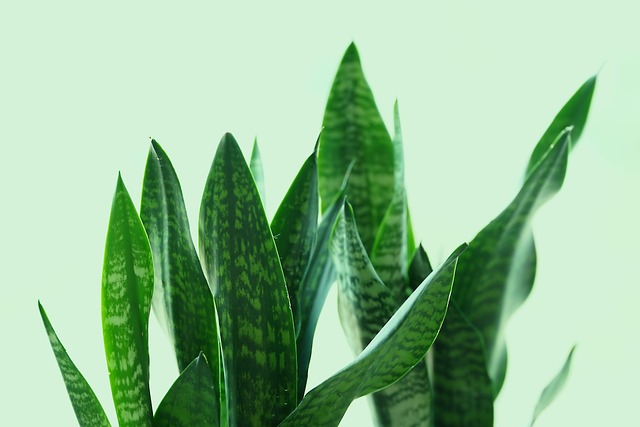
What's Happening
Clean, chunk-shaped bites missing from snake plant leaf edges indicate caterpillar herbivory, typically from moth larvae (cutworms or similar species). Unlike mechanical damage which creates ragged tears, caterpillars leave precise chewing marks. Small greenish-brown clumps on leaves or in pot are frass (caterpillar feces)—definitive evidence. In regions like the Pacific Northwest, open windows during spring-fall enable moth egg-laying on indoor plants. Caterpillars are nocturnal feeders, explaining why bugs are never seen during daytime inspection.
How to Fix It
- 1
Frass identification: Look for small greenish-brown pellets (caterpillar poop) on leaves or in pot—this confirms caterpillar presence
- 2
Nocturnal hunt: Inspect plant with flashlight at dusk/dawn or night when caterpillars actively feed
- 3
Manual removal: Pick off all visible caterpillars and drown in soapy water
- 4
Soil check: Examine soil surface for hiding larvae or pupae
- 5
Organic treatment: Apply Bacillus thuringiensis (BT) kurstaki spray weekly for 2-3 weeks—targeted biological control safe for indoor use
- 6
Follow-up: Clean all frass from plant to prevent secondary mold issues
- 7
Isolation: Keep affected plant separate until treatment complete
How to Prevent It
Install window screens during moth season (spring through fall) to prevent egg-laying access. Quarantine new acquisitions for 2 weeks with regular inspection. Conduct bi-weekly nocturnal inspections with flashlight—caterpillars feed at dusk and dawn. Maintain dry soil conditions that deter soil-dwelling larvae.
Related Problems
Go Deeper
This is covered in-depth in the snake plant Mastery Pack — structured modules with video walkthroughs, advanced protocols, and rescue timelines.
Get the Mastery Pack — $37 →