Indoor Care Myths on snake plant
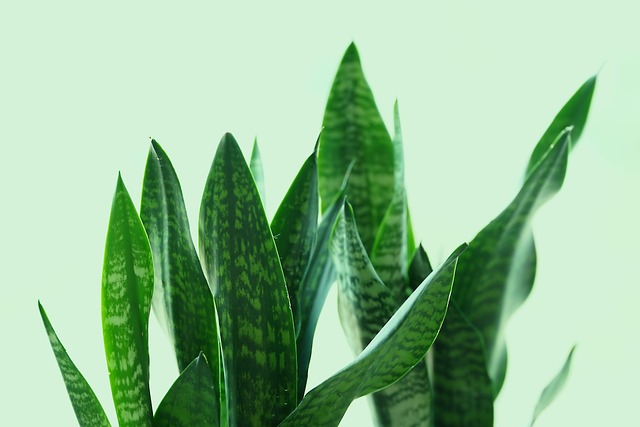
What's Happening
Indoor environments differ fundamentally from native habitats in air circulation, humidity, and light spectrum. The myth that snake plants and succulents are 'easy indoor plants' ignores their need for specific environmental cues: bright light (2000+ lux minimum), temperature fluctuation between day/night (signals growth cycles), and adequate air movement (prevents fungal issues in dense indoor soil). Modern HVAC systems create arid air that increases transpiration stress beyond CAM adaptations.
How to Fix It
- 1
Light requirements: Minimum 2000 lux; use LED grow lights 12-14 hours daily if natural light insufficient
- 2
Humidity management: 30-50% optimal; use humidity trays or occasional misting of surrounding air (not leaves)
- 3
Air circulation: Small fan on low setting 2-3 feet from plants prevents fungal issues in dense potting mixes
- 4
Temperature cues: Allow 10-15°F drop between day (70-75°F) and night (55-60°F) to signal seasonal cycles
- 5
Seasonal adjustment: Reduce watering 50% in winter when light and temperature drops slow metabolism
How to Prevent It
Provide supplemental lighting (2000-5000 lux) for snake plants beyond 3 feet from windows. Maintain humidity between 30-50%—lower than tropicals but higher than desert extremes. Ensure air circulation with small fans to prevent stagnant moisture around soil surface. Group plants to create microclimate humidity, but avoid overcrowding that reduces airflow.
Related Problems
Go Deeper
This is covered in-depth in the snake plant Mastery Pack — structured modules with video walkthroughs, advanced protocols, and rescue timelines.
Get the Mastery Pack — $37 →