Low Chlorophyll on snake plant
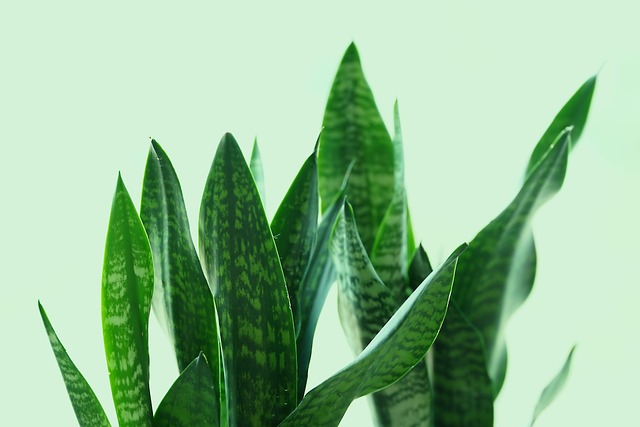
What's Happening
Snake plants in container culture often exhibit reduced chlorophyll content (Chl a and Chl b) due to nutrient limitations, particularly nitrogen deficiency. Chlorophyll synthesis requires adequate nitrogen, magnesium, and micronutrients that become depleted in container substrates over 6-12 months. Low chlorophyll manifests as pale, yellowish-green leaves rather than the deep green characteristic of healthy specimens. Studies on Dracaena fragrans demonstrate that biofertilizer treatment increases chlorophyll a content by 61.9% (from 0.84 to 1.35 mg/g fresh weight) and chlorophyll b by 63.3% (from 0.30 to 0.49 mg/g), directly improving photosynthetic capacity.
How to Fix It
- 1
Apply biofertilizer containing nitrogen-fixing bacteria (Biogien or Rhizobacterien) at 10g per pot to increase chlorophyll a by 60%+ and chlorophyll b by 63%+
- 2
Monitor leaf color improvement over 4-6 weeks; expect deepening from pale/yellowish-green to rich dark green
- 3
Supplement with chelated iron if chlorosis persists after biofertilizer treatment (indicates micronutrient deficiency rather than nitrogen)
- 4
Provide adequate light (1500-3000 lux) - chlorophyll enhancement only improves photosynthesis if light levels support utilization
- 5
Total carbohydrate content increases 82.6% with biofertilizer treatment, providing energy reserves for sustained chlorophyll production
How to Prevent It
Refresh biofertilizer application every 6 months to maintain soil microbial populations; avoid overwatering that leaches nutrients and kills beneficial bacteria; use bright indirect light to maximize photosynthetic efficiency of enhanced chlorophyll levels; repot with fresh biofertilizer-amended soil every 12-18 months
Related Problems
Go Deeper
This is covered in-depth in the snake plant Mastery Pack — structured modules with video walkthroughs, advanced protocols, and rescue timelines.
Get the Mastery Pack — $37 →