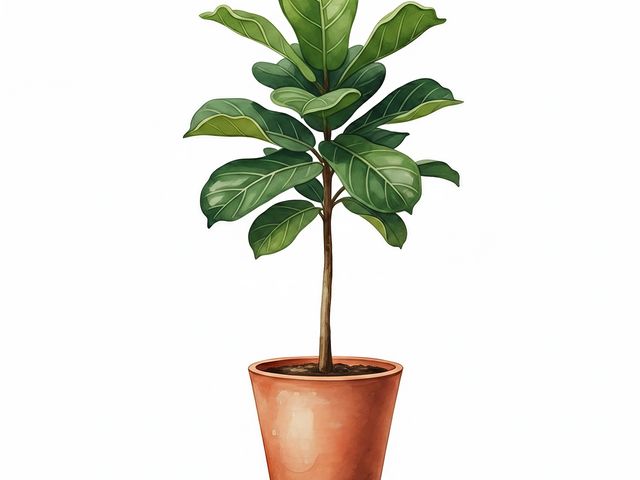
soil
Comprehensive care and diagnosis guide for the Soil. Based on 5 verified community insights.
Care Requirements
At a Glance
Detailed care profile is currently being compiled by the Plant Grail swarm.
Start Here
Most Common Problems
Based on 5 analyzed cases — these are the issues you're most likely to encounter
Why does my Soil have aroid mix?
Aroid plants (Philodendron, Monstera, Anthurium) evolved as epiphytes in...
Why does my Soil have succulent mix?
Succulents (Echeveria, Sedum, Haworthia) possess CAM photosynthesis—an...
Why does my Soil have cactus mix?
Cacti roots are specialized for desert flash-flood conditions—intense but brief...
Why does my Soil have seed starting?
Seedlings require consistent moisture for germination but are highly vulnerable...
Why does my Soil have orchid bark?
Epiphytic orchids (Phalaenopsis, Cattleya, Dendrobium) possess aerial roots...
Verified Data
All Diagnoses
Complete analysis of 5 cases for this variety. Select an entry to expand rescue protocols.
Common Questions
Frequently Asked Questions
Why does my soil have Aroid mix?
Cause: Aroid plants (Philodendron, Monstera, Anthurium) evolved as epiphytes in tropical rainforest canopy environments where roots cling to tree bark and leaf litter, not soil. Standard potting mix creates anaerobic conditions for these plants because fine peat particles compact within 2-3 months, reducing oxygen availability below the 6mg/L threshold required for healthy epiphytic root metabolism. Water-retentive soil also promotes bacterial and fungal pathogens that attack aroid root systems adapted to constant oxygen exposure.
Solution: Unpot and inspect roots: Remove plant and examine root color—healthy aroid roots are white/firm; rotting roots are brown/mushy
Prevention: Create chunky aroid mix with 40% orchid bark (structural aeration), 30% perlite or pumice (drainage), 20% coco coir or peat (moisture retention), and 10% horticultural charcoal (pathogen absorption). Repot every 12-18 months as organic components decompose. Use clear plastic pots to visually monitor root health and moisture levels without disturbing the plant.
75% confidence · View full protocol →
Why does my soil have Succulent mix?
Cause: Succulents (Echeveria, Sedum, Haworthia) possess CAM photosynthesis—an adaptation to arid environments where stomata open at night to minimize water loss. Their compact root systems and water-storing leaves evolved for rapid drainage after infrequent rainfall events. Standard potting soil retains moisture for 7-14 days, creating chronically waterlogged conditions that promote anaerobic bacteria (Pythium, Fusarium) and cause root rot within 2-3 weeks in containers without drainage amendments.
Solution: Test current mix: Water should exit drainage holes within 30 seconds—if not, drainage is insufficient
Prevention: Formulate succulent mix with 50% inorganic drainage material (perlite, pumice, or coarse sand), 30% gritty structural component (chicken grit, fine gravel, or coarse sand), and 20% organic base (cactus soil or coco coir). Never use straight potting soil. Use unglazed terracotta pots that wick moisture through porous walls. Water only when soil is completely dry throughout pot depth.
75% confidence · View full protocol →
Why does my soil have Cactus mix?
Cause: Cacti roots are specialized for desert flash-flood conditions—intense but brief water exposure followed by extended dry periods. Their fine, shallow root systems require immediate drainage to prevent hypoxic conditions that develop within 48-72 hours in standard potting soil. The combination of high organic matter content and fine particle size in commercial mixes creates capillary water retention that mimics bog conditions, triggering bacterial soft rot (Erwinia spp.) in cacti adapted to extreme aridity.
Solution: Evaluate current soil: Cactus mix should feel gritty, not fluffy—sand should be visible throughout
Prevention: Blend cactus mix with 60% mineral content: 40% coarse sand or chicken grit (prevents compaction), 20% perlite (air pockets), and 40% organic base (cactus soil or coco coir). Add 10% horticultural pumice for additional aeration. Use shallow pots that match root ball depth—deep containers retain excess moisture below root zone. Water only when soil is completely dry and pot feels lightweight.
75% confidence · View full protocol →
Why does my soil have Seed starting?
Cause: Seedlings require consistent moisture for germination but are highly vulnerable to damping-off disease—a fungal condition (Pythium, Rhizoctonia, Fusarium) that attacks the stem at soil level and causes collapse. Standard potting mix contains fungal spores and lacks the fine, light texture needed for delicate root penetration. Dense soil also creates anaerobic conditions around germinating seeds that inhibit cellular respiration required for embryo development and early root growth.
Solution: Prepare sterile mix: Combine 5 parts fine peat, 3 parts perlite, 2 parts vermiculite
Prevention: Formulate seed starting mix with 50% fine peat or coco coir (moisture retention), 30% perlite (aeration), and 20% vermiculite (nutrient holding). Sterilize mix by baking at 180°F for 30 minutes or microwave until steaming to kill fungal spores. Use shallow trays with clear domes to maintain 80-90% humidity. Bottom-water only to prevent surface saturation that promotes damping-off.
75% confidence · View full protocol →
Why does my soil have Orchid bark?
Cause: Epiphytic orchids (Phalaenopsis, Cattleya, Dendrobium) possess aerial roots adapted to cling to tree bark in tropical canopy environments where they receive constant air circulation and brief moisture exposure from rainfall and humidity. These velamen-covered roots suffocate in standard potting soil within 7-14 days due to lack of oxygen exchange. Fine particles also compact around root surfaces, blocking the velamen's moisture-absorption capability and promoting anaerobic bacterial rot.
Solution: Select appropriate bark: Use 1/4 to 1/2 inch fir or pine bark chunks—larger for Vanda/Cattleya, smaller for Phalaenopsis
Prevention: Construct orchid bark mix with 70% fir or pine bark (1/4 to 1/2 inch chunks for structural aeration and root anchoring), 20% perlite or charcoal (additional drainage), and 10% sphagnum moss (moisture retention). Use clear orchid pots with side ventilation holes to maximize air circulation. Water by soaking bark for 15-20 minutes weekly, then allow to dry completely. Repot every 12-18 months as bark decomposes.
75% confidence · View full protocol →