Mealybugs on spider plant
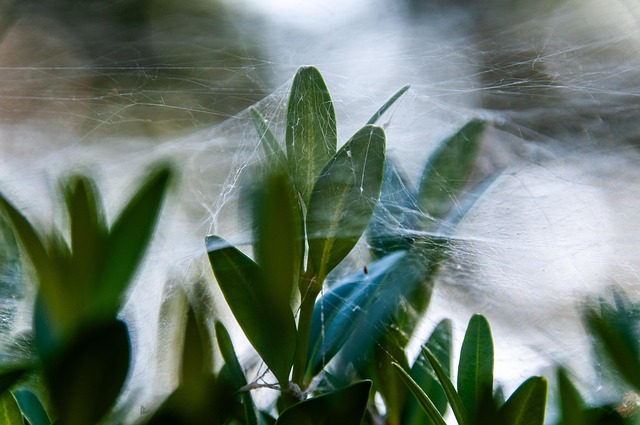
What's Happening
Mealybugs (family Pseudococcidae) infest spider plants by hiding in leaf axils, stem crevices, and root crowns where their white, cottony wax secretions provide protection from predators and desiccation. These sap-sucking pests deposit eggs in fluffy ovisacs, with crawlers dispersing to new locations within days. Mealybugs thrive in warm, stagnant indoor environments with poor air circulation.
How to Fix It
- 1
Isolate infested plant immediately to prevent crawler spread throughout collection
- 2
Spot-treat visible mealybugs with 70% isopropyl alcohol applied via Q-tip, targeting crevices and stem joints
- 3
Apply insecticidal soap or neem oil spray thoroughly, repeating every 3-5 days for 2-3 weeks
- 4
For heavy infestations, apply horticultural oil or systemic insecticide as soil drench
- 5
Prune and discard severely infested foliage and plantlets
What You'll Need
How to Prevent It
Implement strict 14-day quarantine for all new acquisitions with thorough inspection under magnification. Maintain 50-70% humidity with good airflow. Avoid overwatering which creates humid microclimates. Inspect plants weekly during routine care.