Pest Detection on spider plant
What's Happening
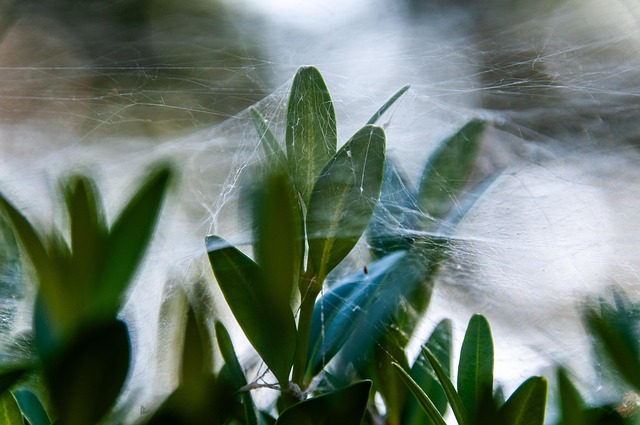
Pest infestations on spider plants often go undetected until visible damage appears, at which point populations have already established in dense foliage and plantlet clusters. Spider plants' cascading growth habit creates shaded microhabitats on leaf undersides and in leaf axils where spider mites, scale, aphids, and mealybugs proliferate undisturbed. By the time stippling, yellowing, or webbing becomes obvious to casual observation, the infestation has typically persisted for 2-4 weeks and spread to nearby plants.
How to Fix It
- 1
Inspect leaf undersides weekly using 10x magnifying loupe or phone macro lens—hold leaf up to light to silhouette pests and damage
- 2
Check plantlet bases and stolon connections where pests congregate due to tender tissue and shelter from air circulation
- 3
Monitor for sticky honeydew residue on leaves below infested areas using flashlight at oblique angle to catch reflective droplets
- 4
Examine newest growth and folded leaf axils with flashlight—mealybugs and aphids favor these protected locations
- 5
Implement quarantine protocol immediately upon detection: move plant 2+ meters from collection, treat within 24 hours
How to Prevent It
Schedule weekly 15-minute inspection sessions rotating through collection. Maintain bright indirect light that makes pest detection easier. Keep a magnifying tool accessible near plants. Photograph healthy baseline leaves for comparison. Establish collection map to track inspection progress.