Winter Dormancy on tropical houseplants
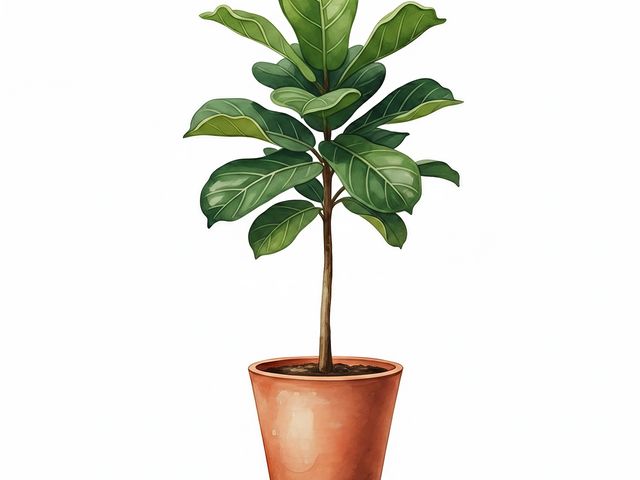
What's Happening
Seasonal growth cessation in tropical houseplants is regulated by photoperiod-sensitive gibberellin biosynthesis. As day length shortens below 12 hours (autumn/winter), gibberellin production decreases, triggering dormancy-like states where meristematic activity slows despite adequate temperature and moisture. This is a survival adaptation to allocate resources efficiently during low-light periods, distinct from stress-induced dormancy which shows yellowing or leaf drop.
How to Fix It
- 1
1. Verify healthy green leaves (confirms dormancy, not disease)
- 2
2. Position in brightest available indirect light or add grow lights
- 3
3. Reduce watering frequency (allow soil to dry 2-3 inches deep)
- 4
4. Suspend fertilization until new growth resumes in spring
- 5
5. Maintain stable temperatures 65-80°F with 40-60% humidity
- 6
6. Expect growth resumption when photoperiod exceeds 12 hours
How to Prevent It
Supplement with full-spectrum grow lights (12-14 hours daily) during short-day periods; maintain consistent 65-80°F temperatures; reduce fertilization but don't overwater.