Low Humidity Damage on tropical humidity
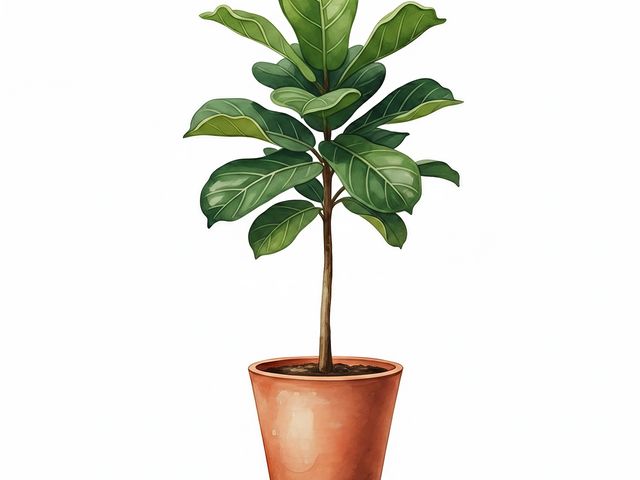
What's Happening
Tropical houseplants evolved in rainforest understory environments with 60-80% relative humidity (RH). Indoor environments typically maintain 30-50% RH due to heating and air conditioning systems. This 20-30 percentage point deficit triggers transpiration stress: stomata close to conserve water, reducing gas exchange and photosynthesis. Cell turgor pressure drops, causing leaf curl (nyctinasty in prayer plants), crispy brown margins (desiccation at leaf edges where water loss is highest), and bud blast (flower abortion to conserve resources). High-humidity specialists like Calathea, ferns, and certain orchids show symptoms first; more tolerant species like cane begonias and some pothos exhibit delayed stress.
How to Fix It
- 1
1. Measure baseline: Install digital hygrometer near plants for 24-48 hours to record actual RH levels
- 2
2. Increase humidity: Deploy cool-mist ultrasonic humidifier (distilled water only) positioned 4-6 feet from plants; target 60% RH
- 3
3. Group strategically: Arrange humidity-loving plants (Calathea, ferns, orchids) in clusters to create microclimate
- 4
4. Passive methods: Place pots on pebble trays with water level just below pebble tops; refill as water evaporates
- 5
5. Relocate if needed: Move severely stressed plants to bathroom with shower use or kitchen near sink temporarily
- 6
6. Monitor recovery: Expect 2-4 weeks for new growth to show improvement; trim permanently damaged crispy edges
How to Prevent It
Maintain 50-70% RH for tropical houseplants: use ultrasonic or evaporative humidifiers set to 60% with hygrometer verification; group plants in clusters of 3-5 within 2-foot radius to boost local humidity 10-15% via collective transpiration; position plants in bathrooms or kitchens where ambient moisture is higher; use pebble trays filled with water (keep pots elevated above water line to prevent root rot); avoid placement near heating vents, fireplaces, or AC units that create dry drafts.