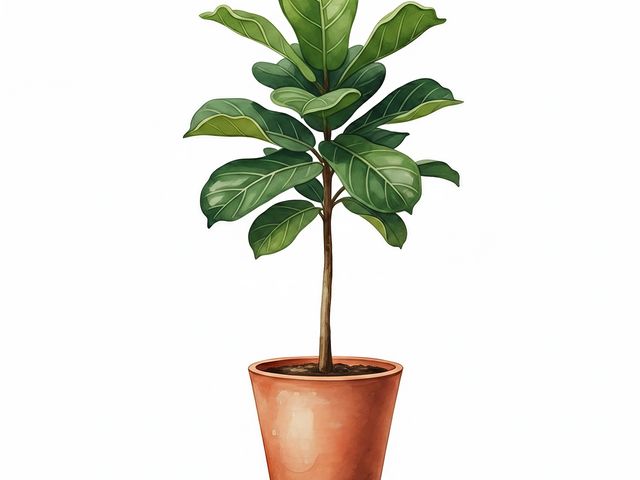
zamioculcas zamiifolia
Zamioculcas zamiifolia
Comprehensive care and diagnosis guide for the Zamioculcas Zamiifolia. Based on 4 verified community insights.
Care Requirements
At a Glance
Detailed care profile is currently being compiled by the Plant Grail swarm.
Go Deeper
ZZ Survival Matrix Pack
The complete protocol: advanced care, seasonal calendars, and rescue modules. Everything on this page, plus video walkthroughs.
Start Here
Most Common Problems
Based on 4 analyzed cases — these are the issues you're most likely to encounter
Why are my Zamioculcas Zamiifolia leaves turning yellow?
ZZ plants evolved in drought-prone East African regions with highly efficient...
Why does my Zamioculcas Zamiifolia have root rot?
ZZ plants possess thick, potato-like rhizomes that store water and nutrients....
How do I propagate my Zamioculcas Zamiifolia?
ZZ plants propagate via leaf cuttings through adventitious root and rhizome...
Why does my Zamioculcas Zamiifolia have low light adaptation?
ZZ plants utilize CAM (Crassulacean Acid Metabolism) photosynthesis, opening...
Verified Data
All Diagnoses
Complete analysis of 4 cases for this variety. Select an entry to expand rescue protocols.
Common Questions
Frequently Asked Questions
Why does my zamioculcas zamiifolia have Yellow leaves?
Cause: ZZ plants evolved in drought-prone East African regions with highly efficient water conservation mechanisms. Their thick, waxy cuticles contain very long-chain aliphatics (VLCAs) that limit water transpiration by up to two orders of magnitude compared to other plants (PMID 35069622). When overwatered, these adaptations become liabilities—roots suffocate in waterlogged soil within 7-14 days as the plant cannot process excess moisture. Yellowing begins at lower leaves and progresses upward as root function fails.
Solution: Cease all watering immediately—allow soil to dry completely (top 3-4 inches bone dry)
Prevention: Water only when top 3-4 inches of soil are completely dry. Use terracotta pots to accelerate soil drying. Remember: ZZ plants prefer drought stress over waterlogging—when in doubt, wait another week.
85% confidence · View full protocol →
Why does my zamioculcas zamiifolia have Root rot?
Cause: ZZ plants possess thick, potato-like rhizomes that store water and nutrients. Root rot develops when these rhizomes sit in saturated soil for extended periods, creating anaerobic conditions that promote bacterial and fungal pathogens. Unlike fibrous-rooted plants, ZZ rhizomes can support the plant for weeks without functional roots, providing a recovery window if addressed promptly.
Solution: Remove plant from soil completely—gently wash away all media to expose rhizomes
Prevention: Use shallow pots that match rhizome size—deep pots retain excess moisture. Always check soil moisture 3-4 inches deep before watering. Terra cotta pots provide natural moisture wicking.
87% confidence · View full protocol →
Why does my zamioculcas zamiifolia have Propagation?
Cause: ZZ plants propagate via leaf cuttings through adventitious root and rhizome formation from leaf base meristematic tissue. This process is extremely slow—taking 6-12 months—because the plant prioritizes energy storage in the emerging rhizome over rapid root development. The thick, succulent leaves provide sufficient water and nutrients to sustain the cutting during this extended establishment period.
Solution: Select healthy mature leaves with no damage or yellowing
Prevention: Take multiple cuttings simultaneously—propagation success varies. Avoid water propagation as it promotes bacterial rot in ZZ cuttings. Patience is essential—premature disturbance kills developing rhizomes.
82% confidence · View full protocol →
Why does my zamioculcas zamiifolia have Low light adaptation?
Cause: ZZ plants utilize CAM (Crassulacean Acid Metabolism) photosynthesis, opening stomata at night to minimize water loss while capturing carbon dioxide. This adaptation allows survival in extremely low light conditions (as low as 50-100 foot-candles) where other plants would fail. However, prolonged low light causes etiolation—stretched, weak stems with small leaves as the plant stretches toward light sources.
Solution: For leggy plants: Gradually move to brighter indirect light over 2-3 weeks
Prevention: Position in bright indirect light (east/west window) for optimal growth. Low light survival does not equal low light thriving—provide as much indirect light as possible for compact, healthy form.
86% confidence · View full protocol →