Pet Safety on zz plant
What's Happening
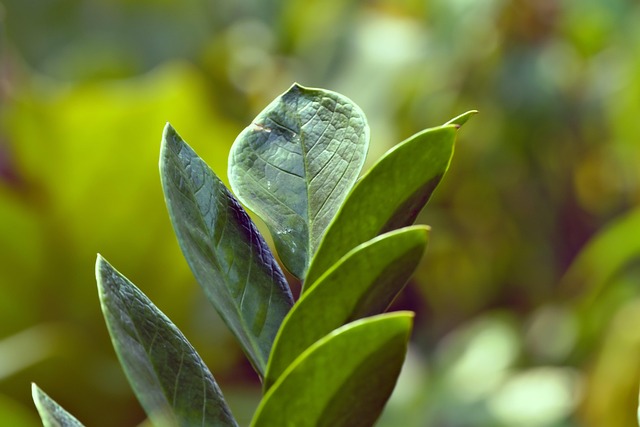
ZZ Plant poses toxicity risk to cats, dogs, and other pets through calcium oxalate crystal (raphide) exposure. When chewed, the crystals embed in oral tissues causing immediate pain, inflammation, and swelling—this 'mechanical defense' typically deters further consumption. Symptoms include pawing at mouth, drooling, oral irritation, and vomiting if swallowed. While rarely fatal, severe reactions can cause airway swelling in extreme cases. The thick, waxy leaves are particularly attractive to cats who may bat at or chew the foliage. Unlike true succulents that may cause only mild GI upset, ZZ oxalate crystals create immediate physical discomfort.
How to Fix It
- 1
Immediate response: Rinse pet's mouth with water if safe to do so; remove any visible plant material from mouth
- 2
Contact: Call veterinarian or pet poison control hotline (ASPCA: 888-426-4435) immediately for guidance
- 3
Symptom management: Provide access to water; do not induce vomiting unless directed by veterinary professional
- 4
Veterinary treatment: May include pain management, anti-inflammatories, and supportive care; hospitalization rarely needed
- 5
Prevention strategies: Place plants on high shelves (6+ feet), in hanging baskets, or behind barriers; use bitter apple spray deterrent on leaves
- 6
Recovery: Most pets recover fully within 24-48 hours with supportive care; monitor for signs of airway obstruction
How to Prevent It
The safest approach is physical separation—keep ZZ plants completely out of reach. Choose pet-safe alternatives like spider plants or Boston ferns for pet-accessible areas. Train pets to avoid plants using positive reinforcement. Consider closed terrariums or high shelving for toxic specimens.
Related Problems
Same Problem on Other Plants
Go Deeper
This is covered in-depth in the zz plant Mastery Pack — structured modules with video walkthroughs, advanced protocols, and rescue timelines.
Get the Mastery Pack — $37 →