Root Rot Recovery Protocol on alocasia dragon scale
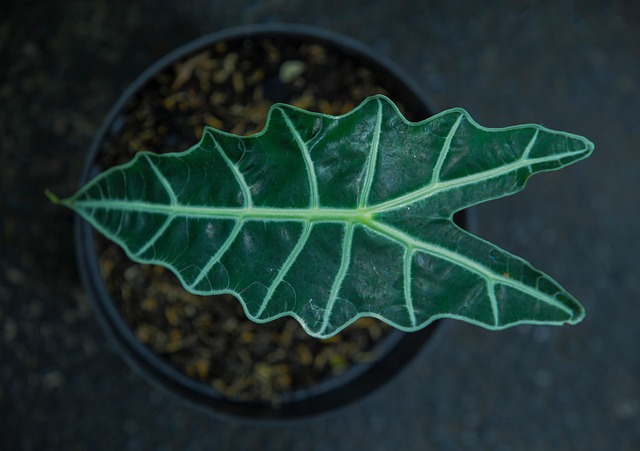
What's Happening
Alocasia baginda 'Dragon Scale' can recover from advanced root rot through rhizome propagation even when nearly all roots are lost, provided the central rhizome remains firm. The fleshy rhizome contains stored carbohydrates and meristematic tissue capable of regenerating new roots. Recovery fails when owners either give up prematurely or repot into oversized containers that recreate the anaerobic conditions that caused the original rot. The plant prioritizes root regeneration over leaf production during recovery, explaining the 2-3 month delay before visible new growth.
How to Fix It
- 1
Assess rhizome viability: Gently squeeze the rhizome—firm tissue indicates recovery potential; mushy/squishy rhizome means propagation is unlikely
- 2
Complete root removal: Trim ALL rotted roots until only clean, white tissue remains; do not leave partially damaged roots
- 3
H2O2 sterilization: Soak rhizome in 3% hydrogen peroxide solution (1:1 with water) for 15-20 minutes to kill remaining pathogens
- 4
Air-drying: Lay rhizome on paper towel in bright indirect light for 48-72 hours to allow cut surfaces to callus
- 5
Propagation medium: Plant in damp long-fiber sphagnum moss or chunky aroid mix in a small clear pot to monitor root development
- 6
Environmental recovery: Maintain 70-80% humidity, bright indirect light (2000-5000 lux), and temperatures 65-80°F
- 7
Patience phase: Expect no visible growth for 2-3 months while roots regenerate underground; resist urge to disturb or overwater
How to Prevent It
Post-recovery: Always use pots only 1 inch larger than the rhizome; implement strict 'dry out' watering schedule using moisture meter; maintain 60-80% humidity without saturating soil; use chunky, well-aerated aroid mix with 50% drainage amendments; inspect roots quarterly by gently unpotting.