Yellow Leaves on alocasia dragon scale
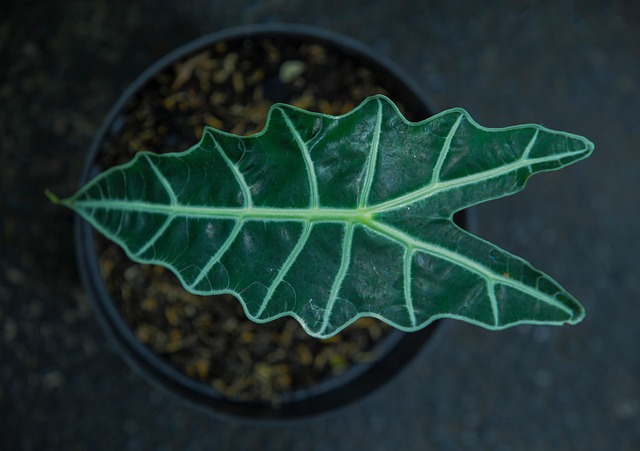
What's Happening
Alocasia baginda 'Dragon Scale' exhibits programmed basal senescence where the oldest (outermost) leaf yellows and dies to redirect energy to new apical growth—a normal physiological process for this monopodial aroid. However, multiple leaves yellowing rapidly or new growth discoloring indicates root rot from anaerobic soil conditions (Pythium/Fusarium pathogens). The key differentiator is pattern: single oldest leaf drop with concurrent new leaf emergence equals natural cycling; widespread or rapid yellowing with wet soil and foul odor signals pathological root decay.
How to Fix It
- 1
Inspect yellowing pattern: Single oldest outer leaf with new central growth = natural senescence; multiple leaves or new growth affected = investigate further
- 2
Check soil and roots: If yellowing is widespread, gently unpot and examine roots—healthy roots are white/firm, rotting roots are black/mushy with sour odor
- 3
For natural senescence: Allow leaf to fully yellow, then snip at base cleanly to redirect energy; do not remove prematurely
- 4
For root rot: Trim all rotted roots with sterilized scissors, treat remaining roots with 3% hydrogen peroxide dip (1:1 with water for 20 minutes), repot in fresh chunky aroid mix
- 5
Maintain recovery conditions: 60-80% humidity, bright indirect light (2000-5000 lux), and water only when top 2-3 inches of soil are dry
How to Prevent It
Water only when top 2-3 inches of soil are completely dry; use well-draining chunky aroid mix (50% bark/perlite, 30% peat, 20% pumice); maintain 60-80% humidity via pebble trays or humidifiers; provide bright indirect light to support healthy growth cycles; inspect roots monthly during active growing season.