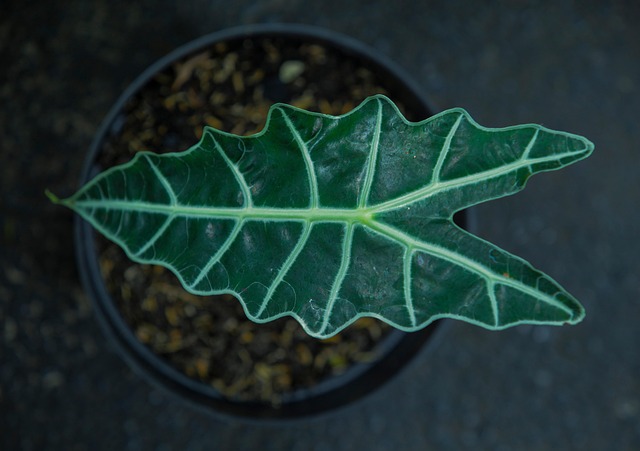
alocasia frydek
Alocasia micholitziana 'Frydek'
Comprehensive care and diagnosis guide for the Alocasia Frydek. Based on 16 verified community insights.
Care Requirements
At a Glance
Detailed care profile is currently being compiled by the Plant Grail swarm.
Start Here
Most Common Problems
Based on 16 analyzed cases — these are the issues you're most likely to encounter
Why are my Alocasia Frydek leaves turning yellow?
Yellowing typically stems from root rot (overwatering), low humidity (<60%),...
Why is my Alocasia Frydek wilting?
Drooping in Frydek is often due to light deficiency (needs bright indirect...
Why does my Alocasia Frydek have loss of variegation?
Loss of variegation in Frydek is often cyclical (rosette growth pattern) or due...
Why does my Alocasia Frydek have root rot?
Overwatering and stagnant soil moisture lead to anaerobic conditions, promoting...
Why does my Alocasia Frydek have spider mites?
Tetranychus urticae (spider mites) thrive on Frydek's velvet leaves in...
Verified Data
All Diagnoses
Complete analysis of 16 cases for this variety. Select an entry to expand rescue protocols.
Diseases (1)
Environment (1)
Other Problems (3)
Pests (2)
Symptoms (4)
Common Questions
Frequently Asked Questions
Why does my alocasia frydek have Yellow leaves?
Cause: Yellowing typically stems from root rot (overwatering), low humidity (<60%), acclimation/transplant shock, or nutrient deficiency. Heavy feeding habits and sensitivity to tap water (chloramine) also contribute to chlorosis.
Solution: Inspect roots for rot; trim mushy sections and treat with hydrogen peroxide
Prevention: Use a chunky, well-draining aroid mix. Maintain consistent moisture (water when top 1-2 inches are dry) and high stable humidity. Provide bright indirect light (2000-5000 lux).
78% confidence · View full protocol →
Why does my alocasia frydek have Drooping?
Cause: Drooping in Frydek is often due to light deficiency (needs bright indirect light to maintain turgor), heavy feeding needs (starvation causes limpness), or natural floppy growth in juvenile plants. It can also be a sign of acclimation stress or root rot if soil is soggy.
Solution: Move to a brighter location (2000-5000 lux) or add a full-spectrum grow light
Prevention: Position within 1-2 meters of a bright window. Rotate weekly for even light. Use a chunky mix that allows roots to breathe. Maintain consistent warmth (above 18�C/65�F).
69% confidence · View full protocol →
Why does my alocasia frydek have Loss of variegation?
Cause: Loss of variegation in Frydek is often cyclical (rosette growth pattern) or due to light deficiency (reversion to increase chlorophyll). White sections are also prone to browning from low silica levels, edema (cell burst), or low humidity.
Solution: Increase light intensity to 300+ �mol/m�/s (bright indirect) using full-spectrum LED grow lights
Prevention: Ensure high light levels year-round. Use a chunky aroid mix for root oxygenation. Fertilize consistently as they are heavy feeders. Use silica from day one for variegated cultivars.
78% confidence · View full protocol →
Why does my alocasia frydek have Root rot?
Cause: Overwatering and stagnant soil moisture lead to anaerobic conditions, promoting bacterial/fungal decay in Alocasia roots. Frydek is particularly sensitive due to its epiphytic nature. Crown rot can also occur if the apical growth point remains wet.
Solution: Gently unpot and rinse roots; trim all black, mushy, or foul-smelling tissue with sterile shears
Prevention: Use terracotta pots for improved moisture wicking. Wait until the top 2-3 inches of soil are dry before watering. Maintain 60-80% humidity to support transpiration.
69% confidence · View full protocol →
Why does my alocasia frydek have Spider mites?
Cause: Tetranychus urticae (spider mites) thrive on Frydek's velvet leaves in low-humidity (<50%) and dusty conditions. They pierce cells to suck sap, causing stippling, bronzing, and webbing.
Solution: Isolate the plant and shower it thoroughly to dislodge the majority of mites
Prevention: Perform weekly underside leaf inspections. Wipe leaves with a damp cloth twice a month to remove dust. Maintain high humidity and consistent airflow.
90% confidence · View full protocol →