Curling Leaves on alocasia frydek
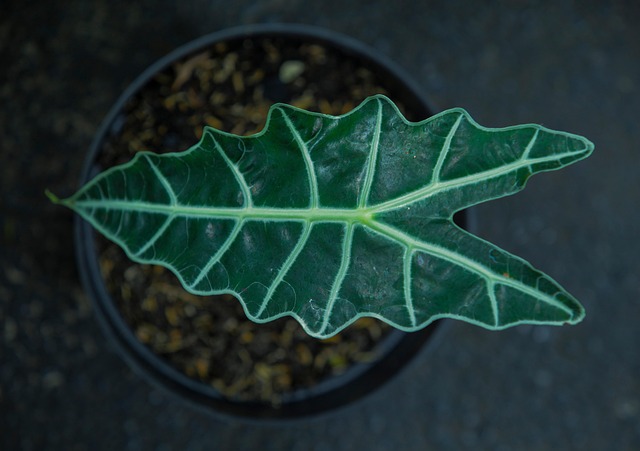
What's Happening
Downward curling is often a defense mechanism against low humidity (<50%) or underwatering (desiccation). However, floppy curling can signal overwatering or root stress. In variegated cultivars, slight curling is common due to uneven growth rates between tissue types.
How to Fix It
- 1
Diagnose by texture: Papery leaves need more humidity/water; mushy leaves need a dry-out and root check
- 2
Increase humidity to 60-80% using a humidifier or grouped plants
- 3
Verify substrate aeration; if soil is moss-heavy, repot into a chunky 50% perlite/bark aroid mix
- 4
Isolate immediately if curling is accompanied by systemic yellow mottling (suspected mosaic virus)
- 5
Provide bright indirect light (2000-5000 lux) to support healthy cell expansion
How to Prevent It
Maintain stable high humidity and consistent soil moisture. Use inorganic amendments (pumice, perlite) in the mix to prevent compaction. Monitor for thrips which can cause new leaves to unfurl curled.