Root Rot Heavy Feeders on alocasia frydek
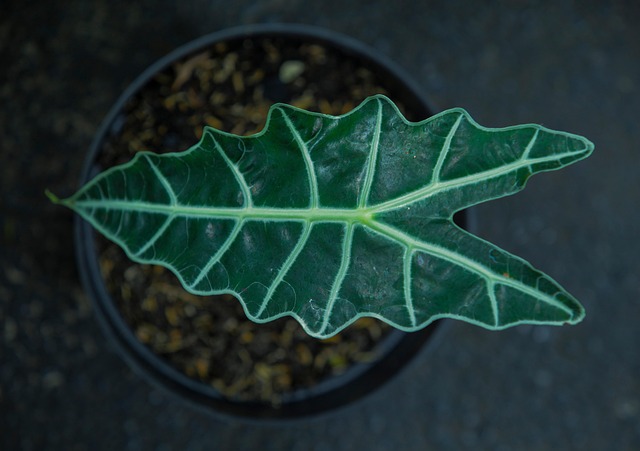
What's Happening
Alocasia micholitziana 'Frydek' exhibits a paradoxical combination of traits: it is both a heavy feeder requiring consistent nutrition and highly susceptible to root rot from overwatering. The plant's rapid growth rate and large velvety leaves demand regular fertilization, but its fleshy rhizome and fine root hairs are easily damaged by anaerobic conditions in waterlogged soil. Over-fertilization combined with poor drainage creates a toxic combination—excess salts damage roots while soggy soil promotes Pythium and Fusarium pathogens. This explains why Frydek is notorious among collectors for sudden decline despite seemingly attentive care.
How to Fix It
- 1
Unpot and inspect: Gently remove plant, rinse roots, and trim ALL black, mushy, or foul-smelling roots with sterilized scissors
- 2
Hydrogen peroxide treatment: Soak remaining healthy roots in 3% H2O2 solution (1:1 with water) for 15-20 minutes to sterilize
- 3
Repot in chunky mix: Use well-draining aroid substrate (50% bark/perlite, 30% quality potting mix, 20% pumice) in appropriately sized pot
- 4
Recovery watering: Keep soil lightly moist (not wet) using bottom-watering method for first 4-6 weeks
- 5
Nutrient strategy: Resume fertilizing only after new growth appears—use diluted balanced fertilizer (1/4 strength) every 2-3 waterings during active growth
- 6
Monitor root-to-shoot ratio: Frydek can only support 4-6 leaves per root system; yellowing oldest leaves during recovery is normal energy redirection
How to Prevent It
Use only well-draining chunky aroid mix with minimum 50% drainage amendments; water only when top 2-3 inches are dry; fertilize lightly but consistently (every 2-3 waterings at 1/4 strength) during active growth; avoid oversized pots that retain excess moisture; ensure bright indirect light to drive transpiration and nutrient uptake; maintain 60-80% humidity to reduce water needs without leaf wetness.