Spider Mite Detection Velvety on alocasia frydek
What's Happening
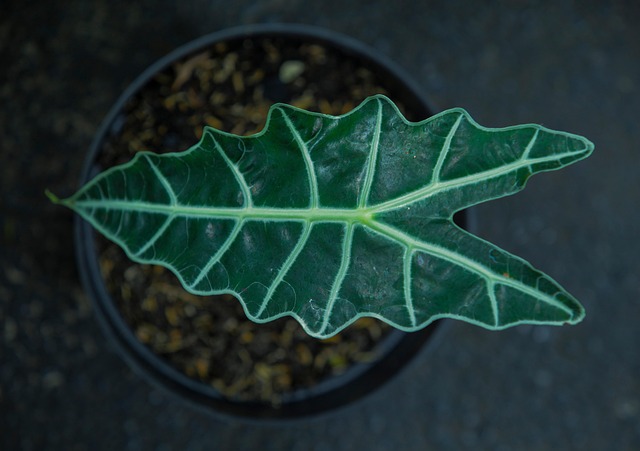
Alocasia micholitziana 'Frydek' exhibits unique spider mite damage patterns due to its velvety leaf texture. Unlike glossy-leaved plants where mite stippling appears as textured surface damage, Frydek develops discrete brown spots, scattered dot patterns, and brown powdery residue on leaf undersides. The fine pubescence obscures early mite detection and webbing. Mite damage on Frydek often mimics fungal leaf spot disease, leading to misdiagnosis and delayed treatment. Low indoor humidity (<50%) combined with the velvety texture creates ideal microhabitats for rapid mite colonization.
How to Fix It
- 1
Leaf inspection protocol: Use 10x magnification to examine leaf undersides weekly; look for tiny moving dots, fine silk webbing between leaf and stem, and brown powdery frass
- 2
Tactile test: Run finger gently across suspected spots—mite stippling creates a rough texture distinct from fungal spots which feel smooth
- 3
Early intervention: At first sign, rinse entire plant with lukewarm water, directing spray to undersides; wipe leaves with damp microfiber cloth
- 4
Treatment cycle: Apply miticide (neem oil, insecticidal soap, or abamectin) weekly for 3 weeks minimum; ensure complete undersurface coverage
- 5
Quarantine and monitor: Isolate treated plant for 4 weeks; inspect weekly; treat neighboring plants preventively
- 6
Humidity management: Increase ambient humidity to 60-80% immediately—higher humidity reduces mite reproduction rates by 50% or more
How to Prevent It
Maintain consistent 60-80% humidity using humidifiers or pebble trays; quarantine new acquisitions for 2-3 weeks with weekly inspections; avoid placement near heating/AC vents; apply preventive neem oil monthly during winter heating season when indoor humidity drops; ensure adequate air circulation without direct drafts.