Brown-Spots-Root-Rot on alocasia
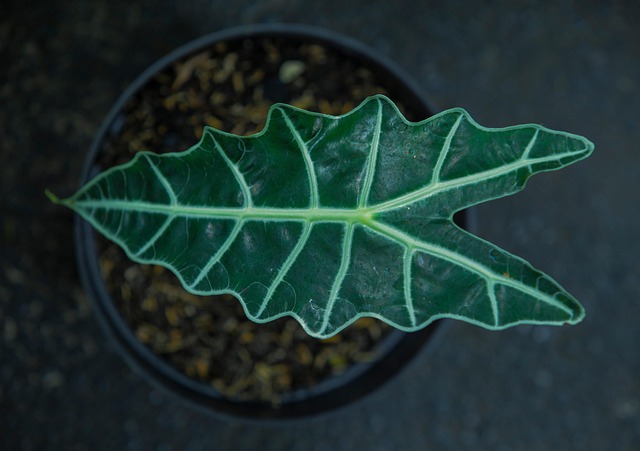
What's Happening
Advanced root rot from overwatering or dense soil leads to bacterial soft rot (Erwinia/Pectobacterium species) that produces reddish-brown bacterial ooze ('bleeding') from leaf bases and stems. This indicates the rot has progressed from roots into the corm and vascular system. The condition is distinct from fungal rot - soft rot bacteria cause mushy, foul-smelling tissue breakdown with visible exudate.
How to Fix It
- 1
Immediate unpotting: Gently remove plant and rinse all soil from roots
- 2
Trim all mushy, black, or foul-smelling roots and corm tissue with sterile scissors
- 3
Soak remaining healthy tissue in 3% hydrogen peroxide (1:1 with water) for 20 minutes
- 4
Allow cuts to callus dry for 48 hours on paper towel in shade
- 5
Repot in fresh, chunky aroid mix; water sparingly for first 2 weeks
What You'll Need
How to Prevent It
Use extremely well-draining mix (50% bark, 30% perlite, 20% peat); ensure pot has multiple drainage holes; water only when top 2-3 inches are dry; avoid self-watering pots; increase perlite in winter when evaporation is slower; check roots monthly.