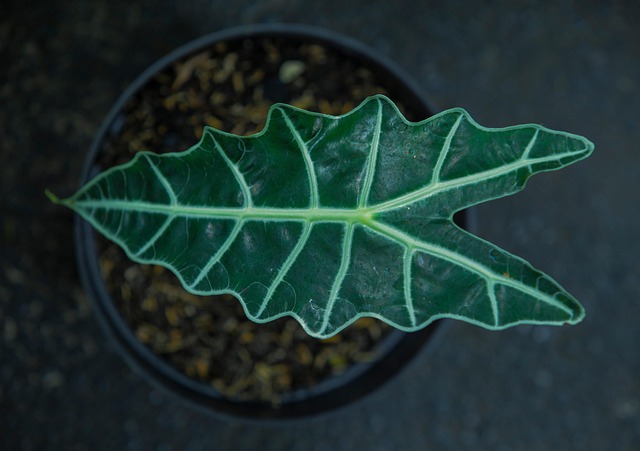
Calcium Oxalate Toxicity on alocasia
What's Happening
Alocasia species contain insoluble calcium oxalate crystals (raphides) in all plant parts. When plant tissue is damaged or ingested, these needle-like crystals penetrate mucous membranes causing immediate irritation, swelling, and potential airway compromise. Ingestion leads to oropharyngeal pain, mucosal erosions, and in severe cases, laryngeal edema that can compromise breathing.
How to Fix It
- 1
If skin contact occurs: wash immediately with soap and water
- 2
If ingested: rinse mouth thoroughly, drink milk or water to dilute
- 3
Seek emergency medical care if airway symptoms develop (hoarseness, swelling, difficulty breathing)
- 4
Monitor for 24 hours after ingestion - symptoms may be delayed
- 5
Document plant species for medical personnel if veterinary or hospital care needed
How to Prevent It
Keep all Alocasia plants out of reach of children and pets. Wear gloves when handling or pruning. Never ingest any part of the plant. Wash hands thoroughly after contact.