Dormancy Cycles Myth on alocasia
What's Happening
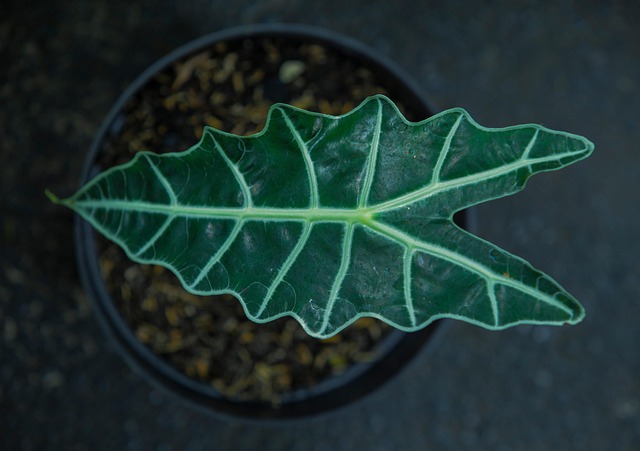
A widespread misconception conflates Alocasia behavior with true tuberous aroids like Colocasia and Caladium, which undergo complete dormancy. Indoor Alocasias do not experience true dormancy—they exhibit stress-induced leaf senescence or growth slowdown when conditions become unfavorable. Cold exposure below 60°F (15°C), sudden drops in humidity, or reduced light triggers tuber signaling that mimics dormancy. However, with stable indoor conditions (70-80°F, 60%+ humidity, bright indirect light), Alocasias can maintain foliage year-round. The confusion leads owners to incorrectly store bulbs or cease watering, causing unnecessary plant death when simple environmental adjustments would suffice.
How to Fix It
- 1
Assess true dormancy vs stress: True dormancy involves complete leaf dieback and dry bulb storage; stress-induced slowdown shows gradual yellowing with viable rhizome and potential for recovery
- 2
Maintain stability: Keep consistent temperatures 70-80°F, humidity 60-80%, and bright indirect light year-round
- 3
For cold-exposed plants: Gradually warm to 70°F+, increase humidity via humidifier/pebble trays, and provide bright indirect light
- 4
Watering adjustment: Reduce watering frequency by 30-40% during stress slowdown but never allow complete drying
- 5
Monitor for recovery: New leaf emergence within 2-4 weeks indicates successful revival from stress state
- 6
Fertilizer pause: Hold fertilization during stress recovery until active new growth resumes
How to Prevent It
Gradually acclimate nursery plants over 1-2 weeks; avoid winter purchases from cold-stored sources; maintain stable year-round environment with grow lights and humidifiers in winter; quarantine new plants in consistent conditions; never confuse stress-induced leaf drop with true dormancy requiring dry storage.