Dormancy End Identification on alocasia
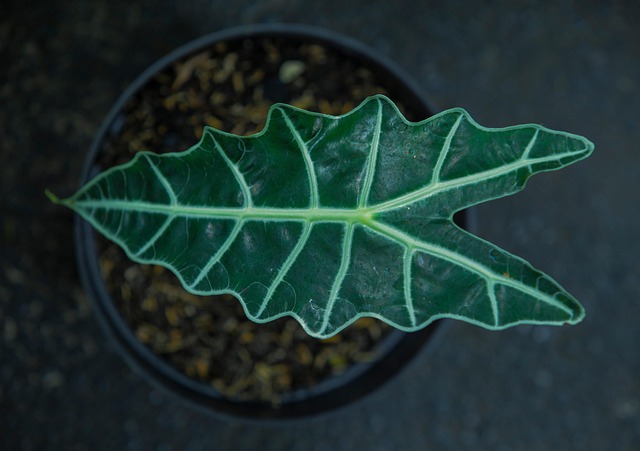
What's Happening
Many Alocasia owners mistake dormant tubers for dead plants and discard them prematurely. Dormancy end is not marked by leaf emergence but by subtle physiological changes at the crown. Recognizing these early indicators prevents both premature intervention (disturbing resting tubers) and delayed action (missing the optimal revival window when conditions are right).
How to Fix It
- 1
Inspect crown weekly: emergence of pale pink or cream-colored growth point indicates wake cycle has begun
- 2
Gentle squeeze test: firm, plump tuber that resists pressure indicates viability - discard only if mushy or desiccated
- 3
Look for subtle crown swelling where new petiole will emerge, appearing 1-2 weeks before visible shoot
- 4
Roots may begin white tip growth before any above-ground activity - check root health if accessible
- 5
First new leaf may emerge pale or smaller than mature leaves - this is normal, not a deficiency sign
How to Prevent It
Mark dormancy start date on calendar; healthy Alocasia typically emerge within 8-12 weeks of dormancy onset when conditions remain favorable.