Dormancy Temperature Warming on alocasia
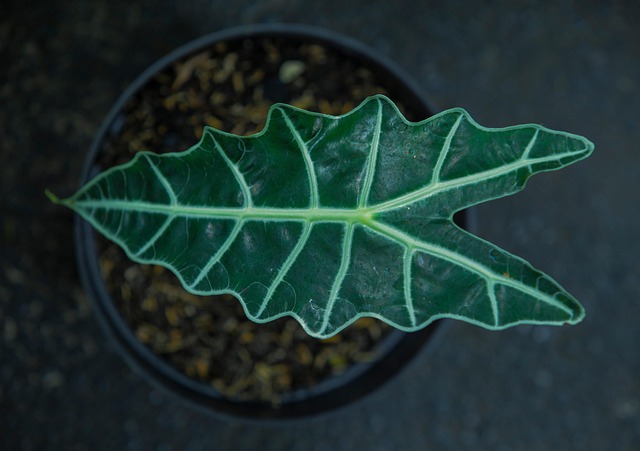
What's Happening
Alocasia tubers remain dormant when soil temperatures fall below 60°F (15°C) due to reduced enzymatic activity in the apical meristem. Cold soil prevents hormone signaling that initiates cell division for new growth. However, rapid temperature increases above 85°F can shock dormant tissue and cause tuber rot by accelerating metabolic demands before vascular systems can support them.
How to Fix It
- 1
Maintain soil temperature at 70-75°F (21-24°C) for optimal emergence - use heat mat with soil probe thermostat
- 2
Position heat mat under pot, not wrapped around it, to warm root zone from below
- 3
If without heat mat: place pot on warm water tray (refilled with 75°F water every 2-3 days)
- 4
Ensure ambient air temperature stays 65-80°F - avoid drafts below 60°F that reverse progress
- 5
Wrap pot in towel or bubble wrap to insulate and maintain stable soil temperature
How to Prevent It
Avoid exposing Alocasia to temperatures below 65°F during winter to prevent dormancy initiation in indoor specimens.