Post-Pest Defoliation on alocasia
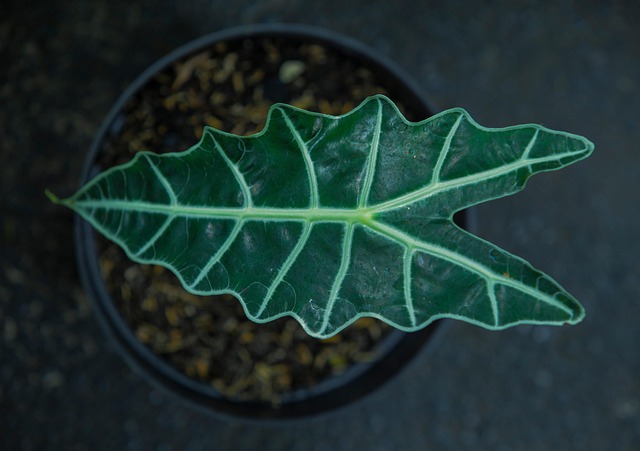
What's Happening
Severe thrips or spider mite infestations often cause total defoliation of Alocasia as the plant enters protective dormancy to conserve corm energy. Unlike root rot which destroys the corm itself, pest-induced defoliation preserves the underground storage organ. The corm contains dormant meristematic tissue capable of producing new growth when conditions improve. Premature disposal of 'leafless' Alocasias discards viable plants capable of full recovery.
How to Fix It
- 1
Inspect corm health: Firm, white-to-cream colored corm indicates viability; mushy brown corm indicates secondary rot
- 2
Selective pruning: Remove all dead leaves but preserve central stem if firm and green
- 3
Post-treatment care: Provide bright indirect light (2000-4000 lux), 70-80% humidity, 70-85°F temps
- 4
Water sparingly: Keep soil lightly moist—not wet—until new growth emerges
- 5
Recovery timeline: Expect 4-8 weeks for first new leaf; full canopy in 3-4 months under optimal conditions
How to Prevent It
Maintain vigilance 4 weeks post-treatment when plant is vulnerable; avoid fertilizing until 3 new leaves emerge; ensure adequate humidity prevents mite reinfestation during recovery; isolate recovering plants until 2 weeks after full leaf emergence