Pot Selection For Root Health on alocasia
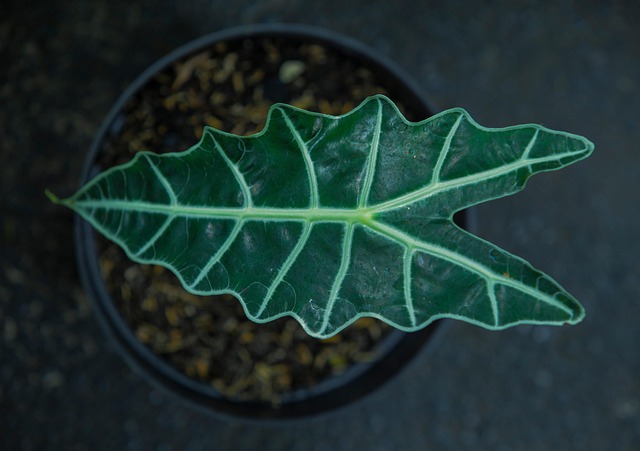
What's Happening
Pot selection significantly impacts Alocasia root health. Oversized pots hold excess soil that stays wet longer than roots can tolerate, promoting anaerobic conditions. Non-porous materials (plastic, glazed ceramic) prevent soil from breathing and drying evenly. Shallow pots force horizontal root growth that circles and constricts, while overly deep pots maintain wet bottom layers where roots suffocate. The wrong pot negates proper watering technique.
How to Fix It
- 1
Size assessment: Unpot plant and measure root ball diameter; select new pot only 1-2 inches larger in diameter
- 2
Material selection: Unglazed terracotta wicks moisture through porous walls, accelerating drying—ideal for overwaterers; plastic retains moisture longer—use only with very chunky mixes
- 3
Depth consideration: Alocasia roots grow somewhat deep; avoid shallow bonsai-style pots that force horizontal circling
- 4
Drainage requirement: Minimum 3 drainage holes for 6-inch pot; 5+ holes for larger pots; verify water exits within 30 seconds
- 5
Repotting technique: Fill bottom 1/3 with drainage material (perlite or leca) before adding soil; position corm with top 1/3 exposed at soil surface
- 6
Monitoring advantage: Clear nursery pots allow visual root health assessment without unpotting—consider using as inner pot within decorative cache pot
How to Prevent It
Match pot size to root ball: choose container only 1-2 inches larger than current root mass; use unglazed terracotta or porous ceramic for natural moisture wicking; ensure depth accommodates vertical root growth without excessive soil below root zone; always use pots with multiple drainage holes.