Seasonal Dormancy on alocasia
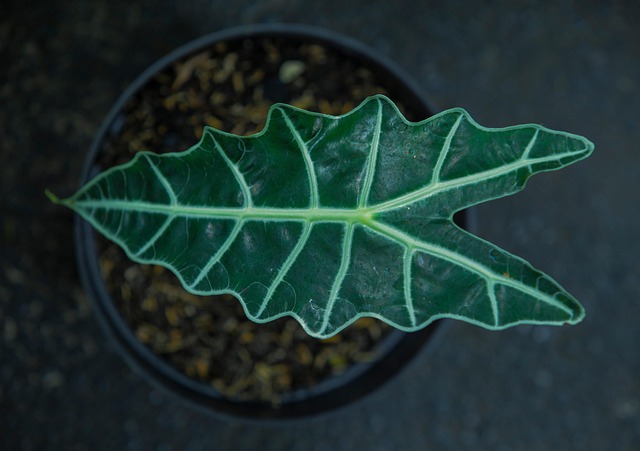
What's Happening
Alocasia dormancy is frequently misdiagnosed as root rot, and vice versa. True dormancy (triggered by temperatures below 60°F/15°C and reduced photoperiod) causes gradual leaf yellowing from oldest leaves, firm corm, and no foul odor. Root rot causes rapid leaf collapse across all ages, soft/mushy corm, and distinct sour/foul smell from anaerobic bacterial infection. The confusion leads to opposite treatments: dormancy requires patience; rot requires immediate intervention.
How to Fix It
- 1
Diagnostic check: Gently unpot plant and inspect corm—firm and white/pale = dormancy; soft, mushy, black, foul-smelling = rot
- 2
Smell test: Healthy corms have earthy aroma; rot produces distinct sour/foul odor from anaerobic bacteria
- 3
For dormancy: Reduce watering by 50%, maintain humidity 60-80%, keep in bright indirect light; expect regrowth in 4-8 weeks when conditions improve
- 4
For rot: Immediately follow corm regeneration protocol (see 'Corm Regeneration' entry)
- 5
Documentation: Photograph corm condition at discovery to track changes during recovery
How to Prevent It
Understand your Alocasia species: tuberous types (amazonica, Polly) enter dormancy below 60°F; rhizomatous types (odora, zebrina) rarely fully defoliate. Maintain stable indoor temperatures above 65°F year-round to prevent dormancy triggers. Monitor for pre-dormancy signals: slowing growth, smaller new leaves.