Thrips Early Detection on alocasia
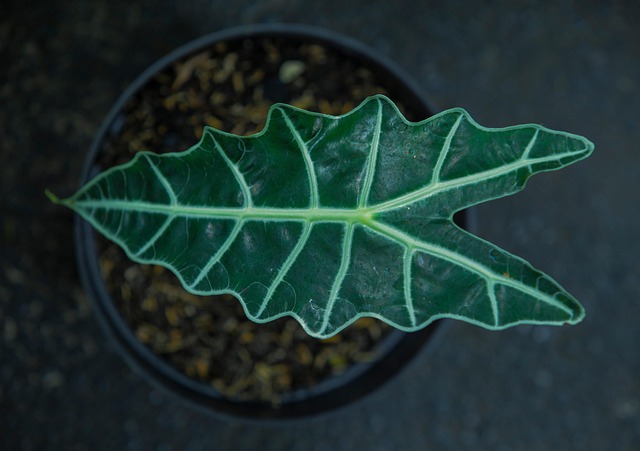
What's Happening
Thrips feeding on Alocasia leaves produces distinctive black fecal pellets (frass) that accumulate on leaf surfaces, particularly along veins and at the base of the petiole. Unlike dust or soil splatter, thrips frass adheres firmly to the waxy cuticle and appears as tiny, irregular black specks resembling coarse pepper. On dark velvet Alocasia leaves, these specks contrast visibly and serve as the earliest detectable sign of infestation—often appearing 1-2 weeks before visible stippling damage or live insects.
How to Fix It
- 1
Inspect weekly with bright LED light held at 45° angle to create shadows that highlight frass particles
- 2
Distinguish frass from soil: frass adheres when rubbed; soil dust wipes away easily
- 3
Check leaf bases and undersides first—thrips prefer tender new growth and protected undersides
- 4
Target treatment to frass-heavy areas before visible insects appear
- 5
Photograph suspected frass with phone macro lens for documentation and comparison
What You'll Need
How to Prevent It
Establish weekly frass-check routine during spring/summer when thrips are most active; quarantine all new plants and inspect for frass before introducing to collection; maintain high humidity (60%+) which reduces thrips feeding activity and frass production