Thrips Lifecycle on alocasia
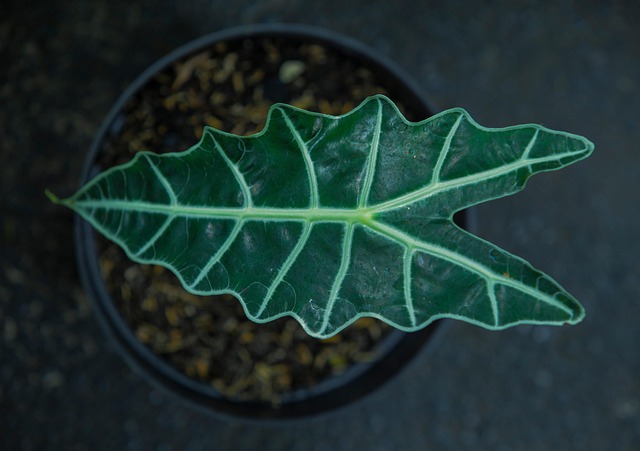
What's Happening
Thrips insert eggs directly into Alocasia leaf tissue using saw-like ovipositors, depositing them inside veins and between epidermal layers. This endophytic oviposition protects eggs from topical sprays and wiping treatments. A single female lays 50-100 eggs in her lifetime, with eggs hatching in 3-5 days. Surface treatments only kill exposed adults, leaving protected eggs to repopulate the plant within one week.
How to Fix It
- 1
Prune heavily damaged leaves at base to remove egg-laden tissue
- 2
Apply soil drench with systemic insecticide 7 days after foliar treatment to kill pupating larvae in soil
- 3
Rotate chemical classes: use spinosad, then insecticidal soap, then neem to prevent resistance
- 4
Introduce beneficial nematodes (Steinernema feltiae) to soil to parasitize pupating thrips
- 5
Maintain 4-week treatment cycle even after visible thrips disappear to eliminate hatched eggs
What You'll Need
How to Prevent It
Prophylactic systemic soil treatment for high-value Alocasias during spring growth surge; weekly inspections with 10x magnification to catch adults before oviposition begins; maintain high humidity (>60%) which reduces thrips reproductive rates