Velvet Pests on alocasia
What's Happening
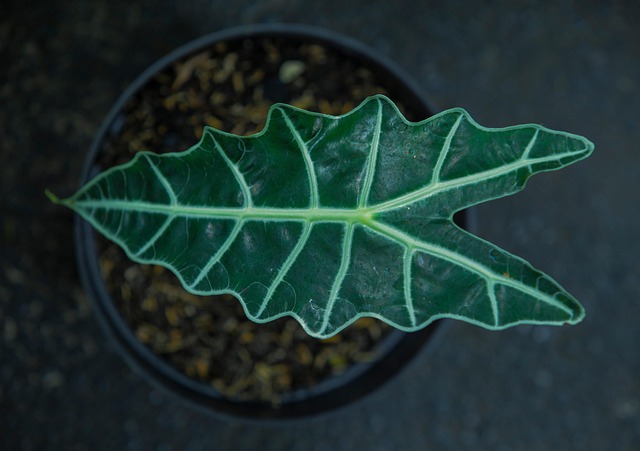
Alocasia's textured velvet leaves create microhabitats that simultaneously harbor both thrips and spider mites. The dense trichome layer traps humidity pockets favorable to mites while leaf folds provide thrips shelter. Co-infestation occurs when one pest weakens the plant, reducing defensive compounds and making tissue more susceptible to secondary invaders. Combined feeding damage creates compounding stress that triggers dormancy or death.
How to Fix It
- 1
Treat both pests simultaneously: mites respond to alcohol-soap spray, thrips require systemic approach
- 2
Prune all damaged foliage before treatment to reduce pest load and improve spray penetration
- 3
Apply miticide-alcohol spray first (targets mites), wait 48 hours, then apply systemic soil drench (targets thrips)
- 4
Isolate plant for 6 weeks minimum—longer than single-pest quarantine due to overlapping lifecycles
- 5
Maintain 70%+ humidity post-treatment: discourages mites while thrips treatment continues via systemics
What You'll Need
How to Prevent It
Inspect new acquisitions with 10x loupe for BOTH pest types—look for thrips frass (black specks) AND mite stippling; maintain stable 65-75% humidity with good airflow to prevent mite-favorable dry pockets while keeping thrips populations down