Yellow Leaves on alocasia
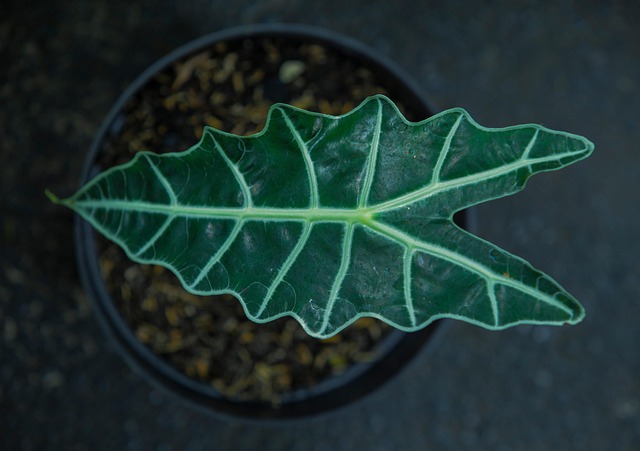
What's Happening
Alocasia species enter seasonal dormancy triggered by reduced light and temperature in autumn/winter, directing energy underground to corm storage. Upon spring awakening, the plant aggressively reallocates stored nutrients from older leaves to fuel new growth, causing rapid yellowing of leaves that survived dormancy. This is often misdiagnosed as disease or overwatering, but represents normal metabolic prioritization.
How to Fix It
- 1
Recognize seasonal timing: Yellowing in early spring after winter dormancy is typically natural
- 2
Do not panic-water: Adding water to yellowing post-dormancy leaves worsens corm health
- 3
Remove fully yellow leaves at base to redirect energy to new growth
- 4
Fertilize with balanced NPK at 1/2 strength once new growth appears
- 5
Maintain consistent 65-85°F temperatures to support metabolic restart
How to Prevent It
Reduce watering by 50% during dormancy (October-March); maintain 60%+ humidity year-round; provide bright indirect light even in winter; resume normal watering schedule only when new growth emerges in spring; track dormancy cycles for your specific variety.