Thin Leaves on aloe vera
What's Happening
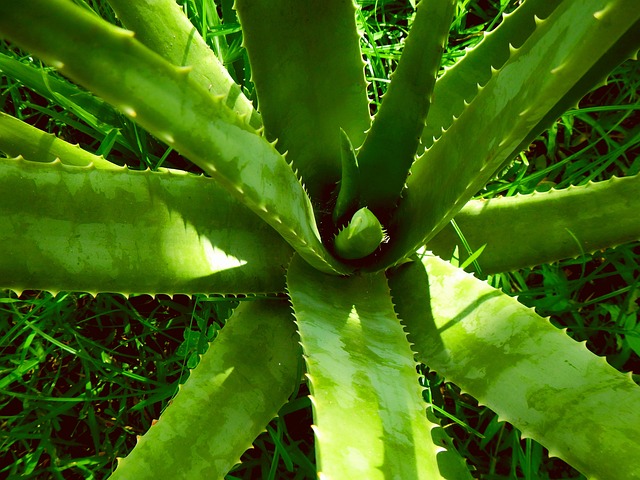
Thin, flat, or wrinkled Aloe vera leaves indicate cellular water depletion. Two distinct mechanisms cause this: true underwatering where roots are healthy but haven't received water in 4-6+ weeks, or the 'overwatering paradox' where roots have rotted from chronic moisture and lost uptake capability entirely. Distinguishing between these is critical—underwatered plants need more water; overwatered plants need drying and root repair. True underwatering produces crispy, paper-thin leaves with dry soil; root rot produces rubbery, deflated leaves with moist soil. The leaf turgor test: gently squeeze—firm resistance indicates adequate hydration, easy compression indicates water deficit.
How to Fix It
- 1
Diagnostic soil test: Insert finger 3 inches deep—bone-dry soil suggests underwatering; moist/wet soil with wrinkled leaves indicates root rot
- 2
Leaf texture assessment: Crispy, paper-like texture = underwatering; rubbery, translucent texture = overwatering/root rot
- 3
Underwatering protocol: Water thoroughly until water exits drainage holes; allow complete dry-out; expect leaf plumping within 24-48 hours
- 4
Root rot protocol (if soil is moist): Unpot, trim rotted roots, sterilize with hydrogen peroxide, repot in dry soil; withhold water for 1-2 weeks
- 5
Ongoing monitoring: Check soil moisture weekly; water only when completely dry; use pot weight method—heavy pot with wrinkled leaves always indicates root rot
How to Prevent It
Establish consistent watering schedule based on soil dryness, not leaf appearance. Use well-draining soil (50% perlite) and terracotta pots to prevent moisture extremes. When uncertain, choose underwatering—Aloe vera tolerates drought far better than waterlogging and recovers faster from dehydration than from root rot.